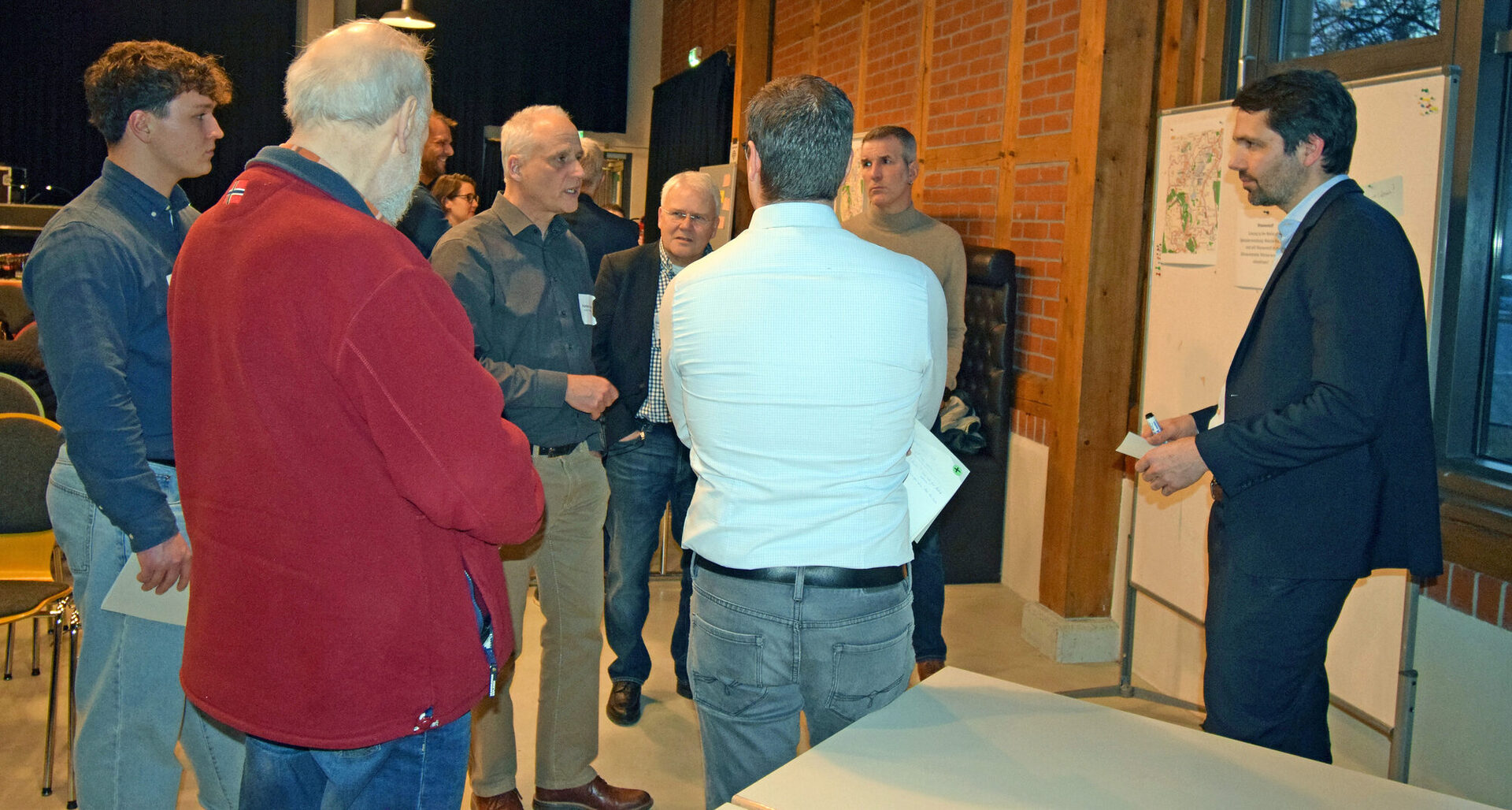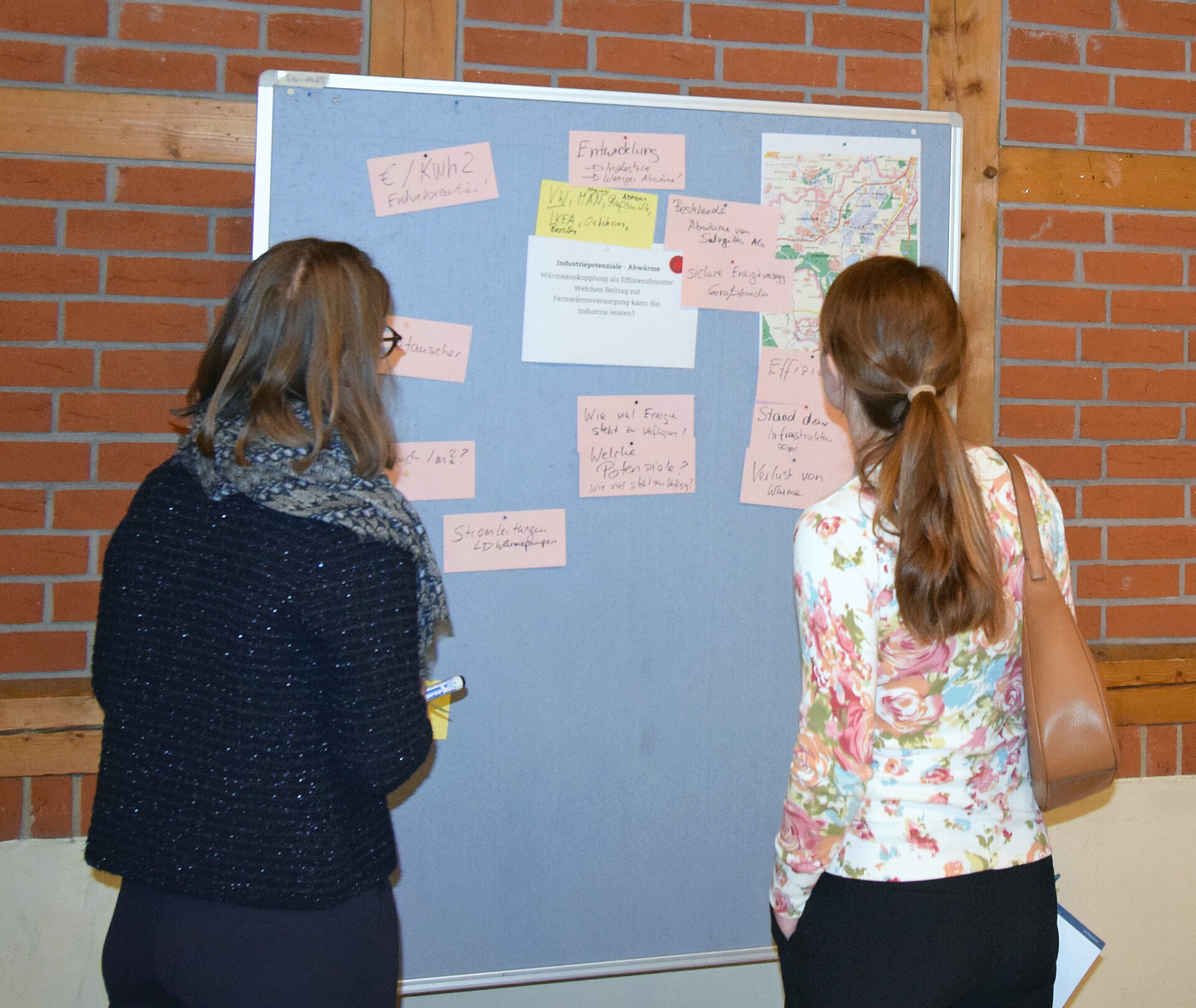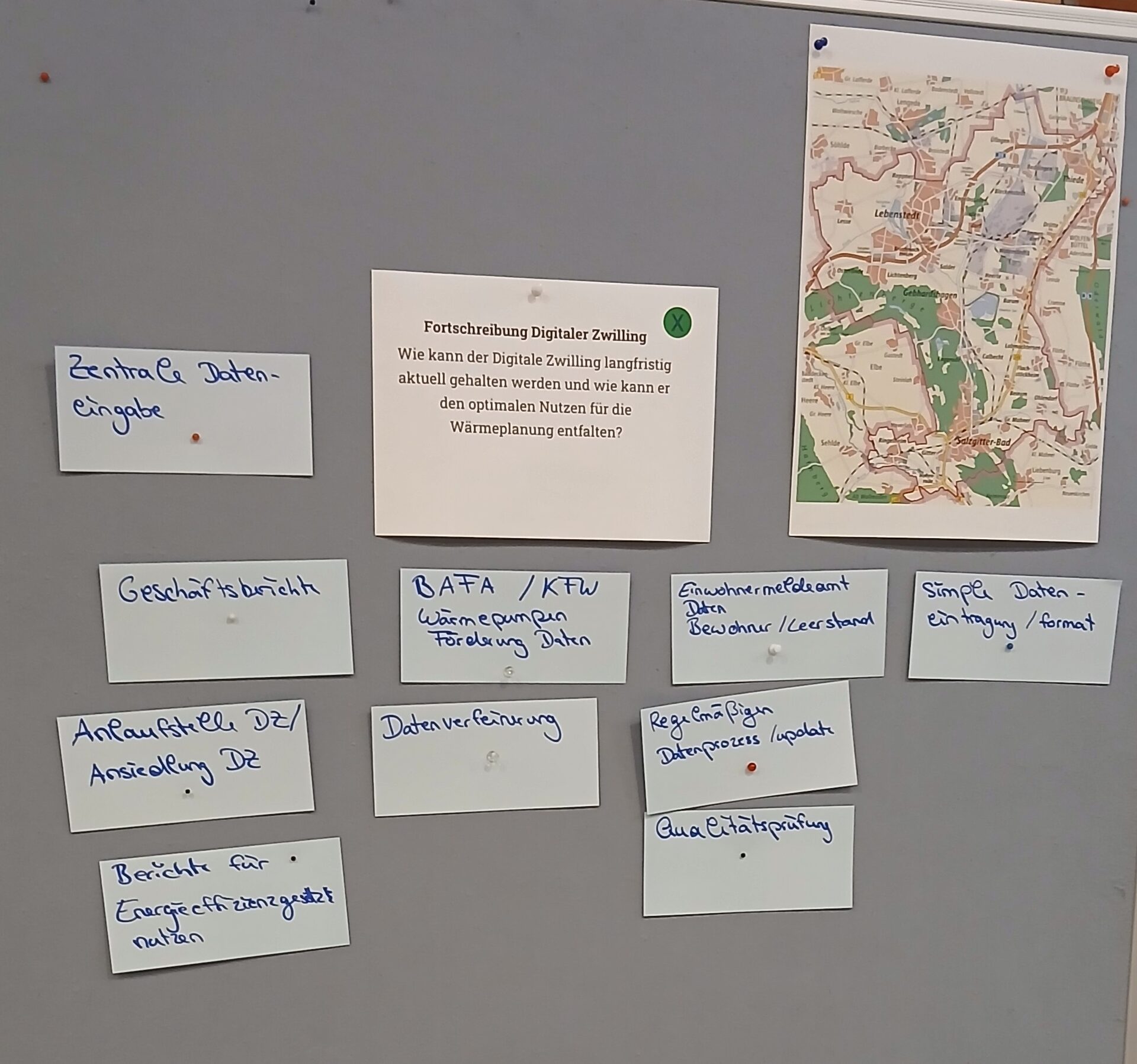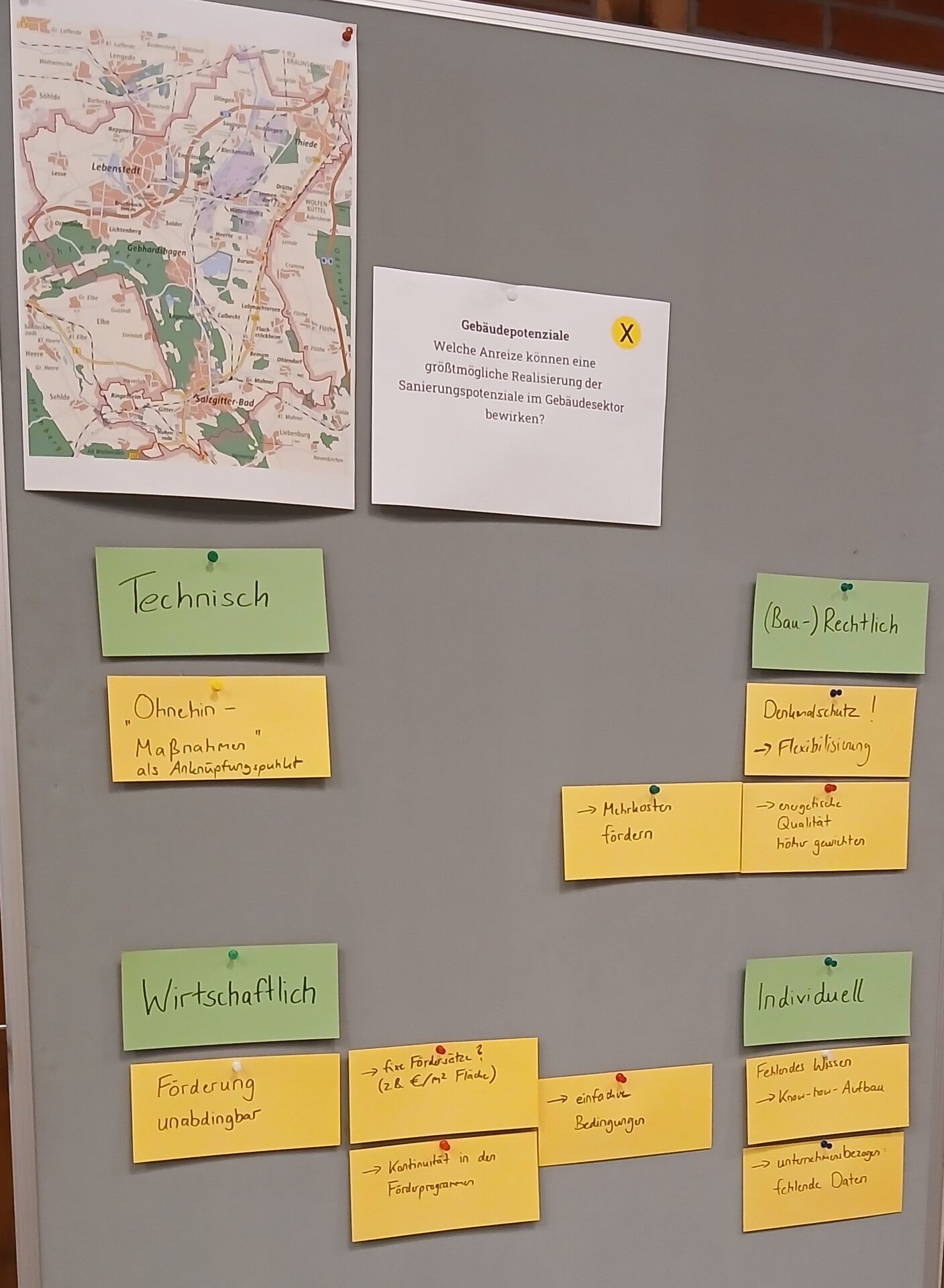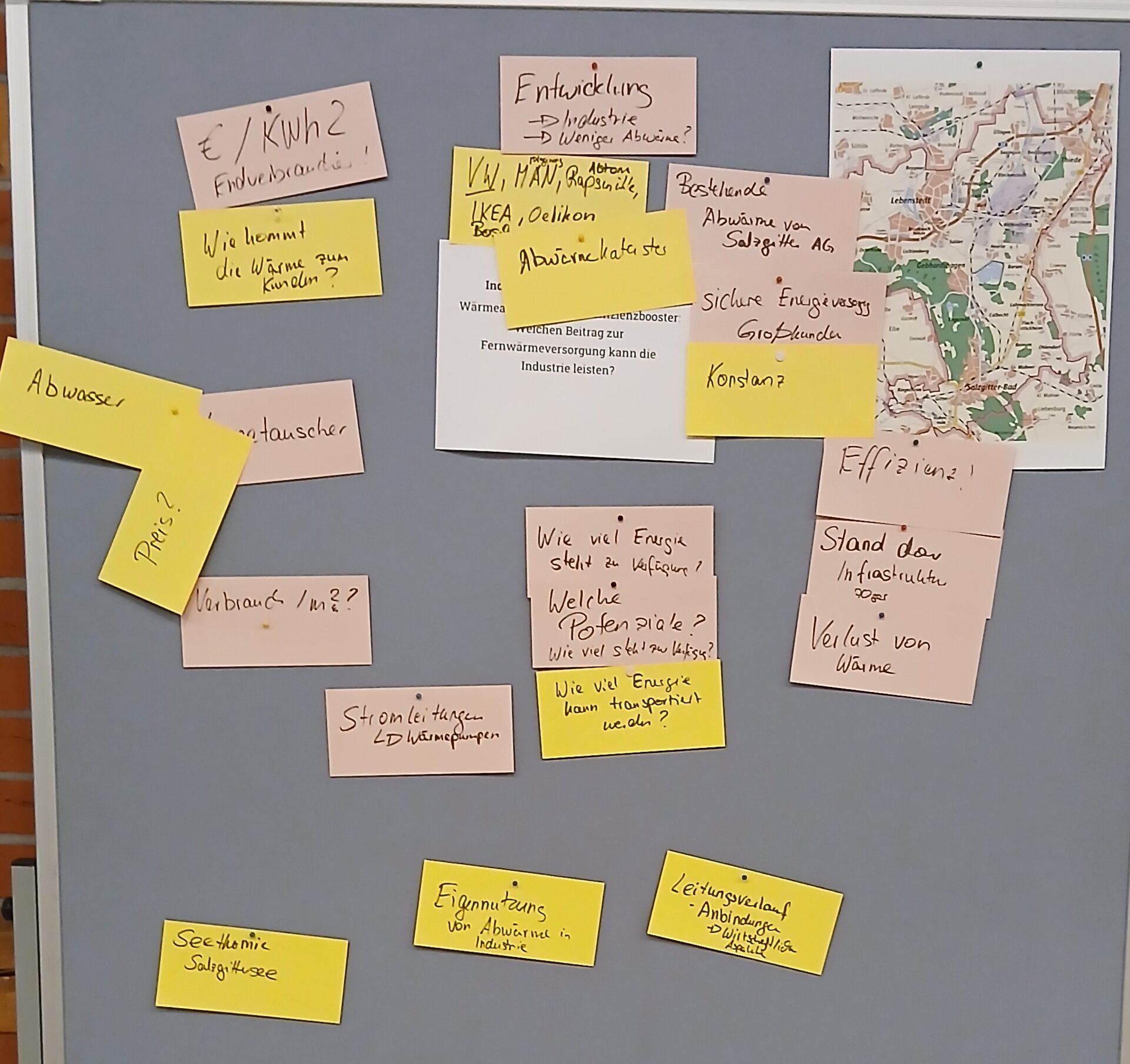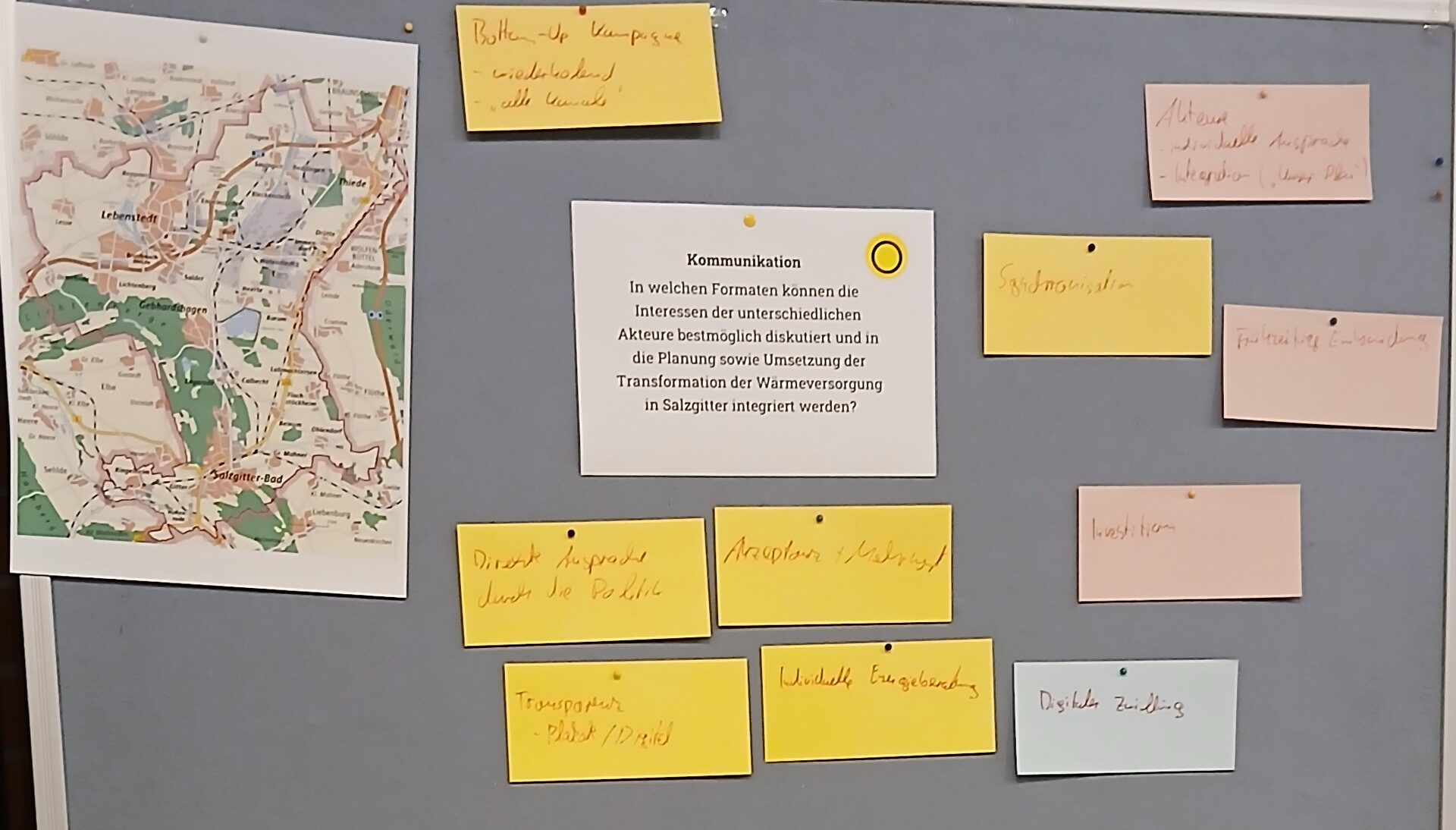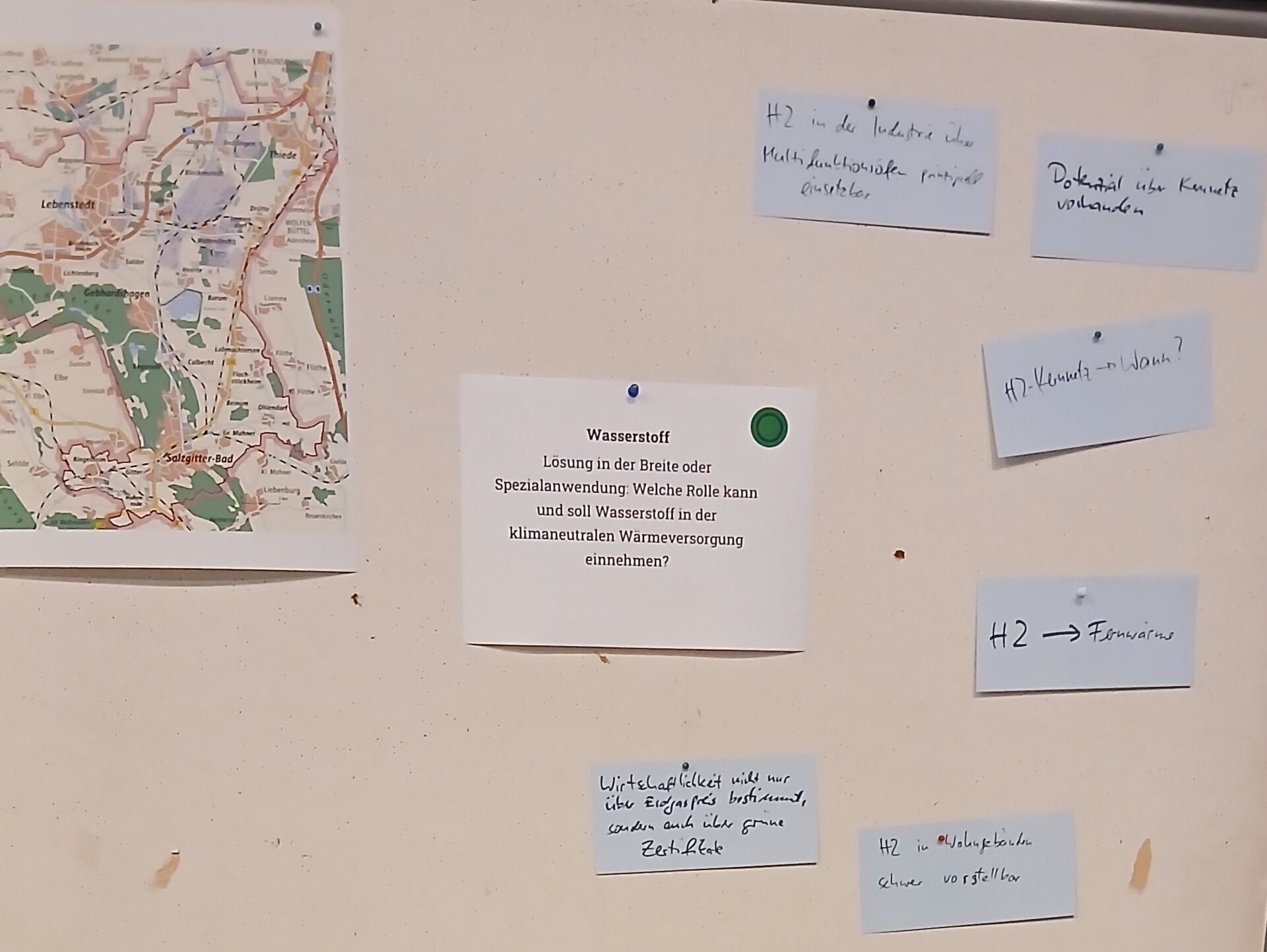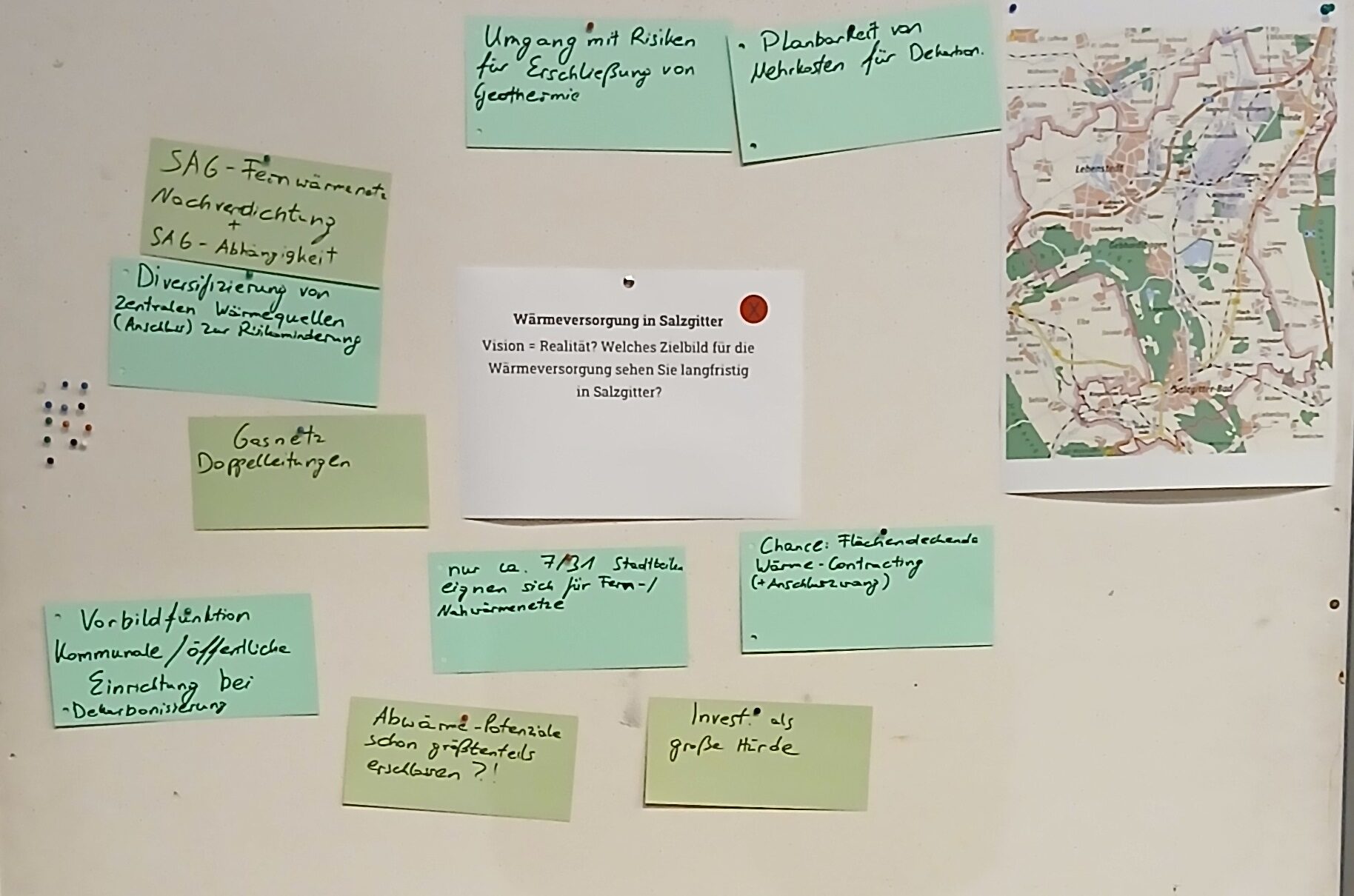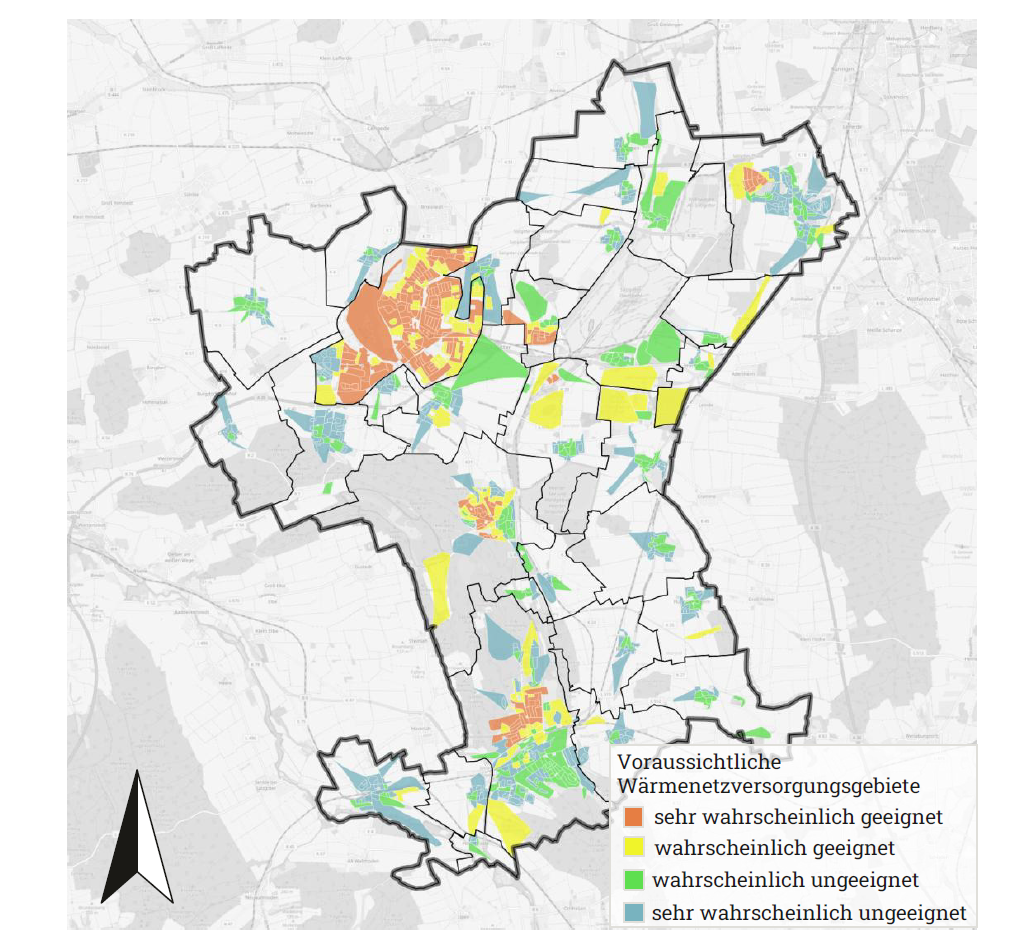
Among other things, the heat demand in Salzgitter and the existing and future heat sources must be analyzed.
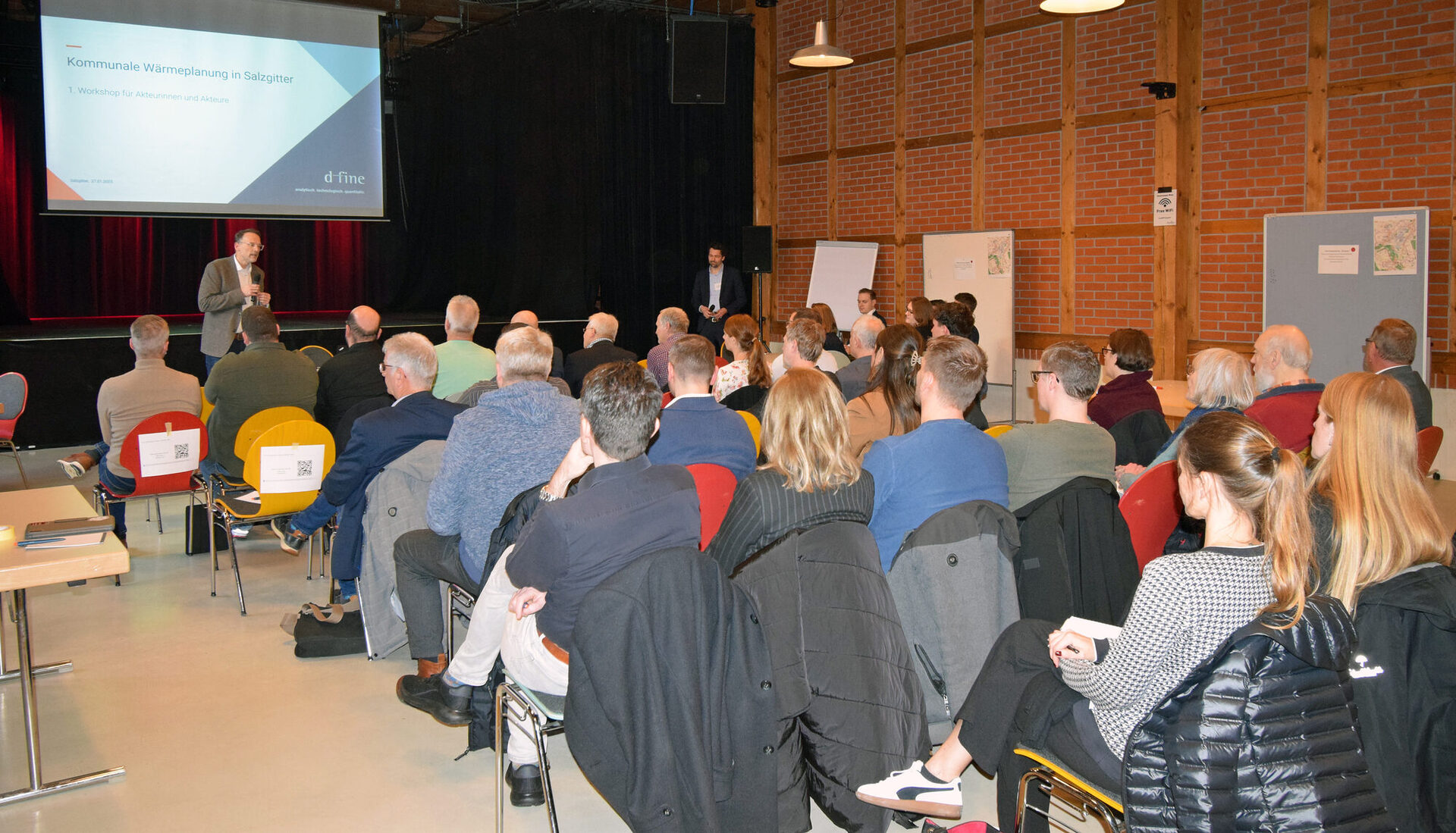
A lot of data is needed for this. In an initial workshop, local stakeholders were informed and asked to participate. The first plans are to be presented to the political committees after the summer vacations.
City planning officer Michael Tacke welcomed representatives of the political bodies as well as stakeholders who had been invited to participate in the municipal heat planning and whose cooperation is needed.
"Together with you and the citizens of Salzgitter, we want to get municipal heating planning off the ground," emphasized Michael Tacke.
The aim is to use this municipal heat planning to ensure an economical, reliable, sustainable and fossil-free heat supply for all citizens of Salzgitter.
The approach: An inventory of the buildings, the heat demand, the current and future heat supply.
Important: Solutions in and for the heat supply in Salzgitter are to be developed jointly.
To this end, the city of Salzgitter and its climate protection team are working together with the planning office d-fine GmbH.
Project manager Dr. Robert Beestermöller and his team explained the municipal heat planning process over the next few months:
1. inventory analysis:
Analysis of building and settlement structure as well as energy infrastructure:
The first step is to record the current state of the buildings in Salzgitter. This requires data from local stakeholders such as the city of Salzgitter, chimney sweeps, WEVG, ASG, state statistical offices, etc.
2. potential analysis:
In the second step, potentials for a general reduction in heat demand and a greenhouse gas-neutral heat supply are sought. Where and how can the energy efficiency of buildings and industry be increased? How can unavoidable waste heat be used? How can the regenerative heat supply be expanded?
What is feasible?
3. target scenario and implementation strategy:
What can the heat supply in Salzgitter look like in the years 2030, 2035 and 2040?
What measures are required for this?
Important: Municipal heating planning is a guide that will be reviewed after five years. "Are we still on the right track?" and "Have the conditions in Salzgitter changed to which we need to adapt the measures?" are questions that need to be answered.