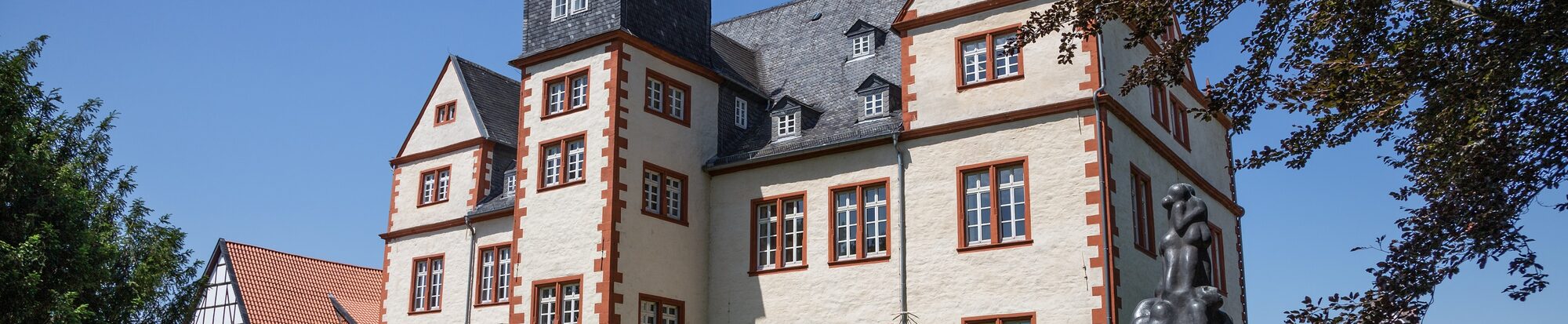
Salder Castle houses the municipal museum. Admission is free of charge!
Salder Castle was built in 1608 in the Renaissance style. It has been home to the municipal museum of the city of Salzgitter for over 50 years. Admission to the museum is free of charge.
The Salder Castle Museum belongs to the City of Salzgitter's own facility management, purchasing and logistics department.
Its exhibitions focus on information about the history of the entire Salzgitter region, from the history of the earth to the end of the 20th century.
The "star" of the geology department is a fish dinosaur (ichthyosaur) that lived in the Lower Cretaceous period 115 million years ago and whose skeleton was discovered in Salzgitter in 1940 during underground ore mining.
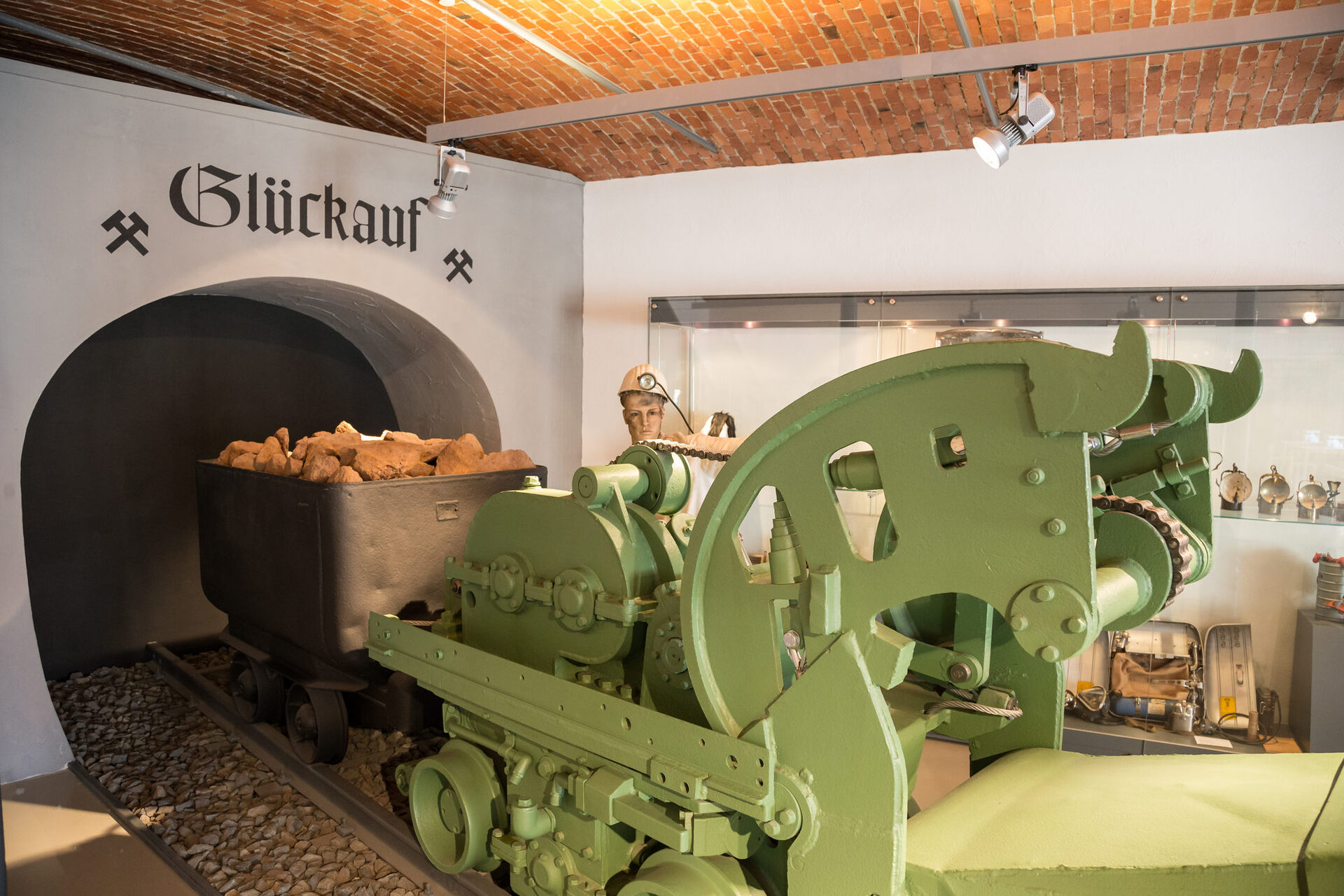
A separate section shows the economic development of Salzgitter in the 19th and 20th centuries from a largely agricultural region to the third largest industrial location in Lower Saxony.
The presentation of the toy collection (history of childhood, historical toys between 1800 and 2000) is unique in the region.
In addition to the permanent exhibitions, a large number of temporary and special exhibitions contribute to a lively museum life. For example, the Fine Arts department presents the "Salon Salder" exhibition every year in the museum's special exhibition building "Kuhstall", in which current works by artists from Lower Saxony are presented. Large hands-on exhibitions for children and the young at heart, such as the "Mineral Resources" exhibition, are also presented there.
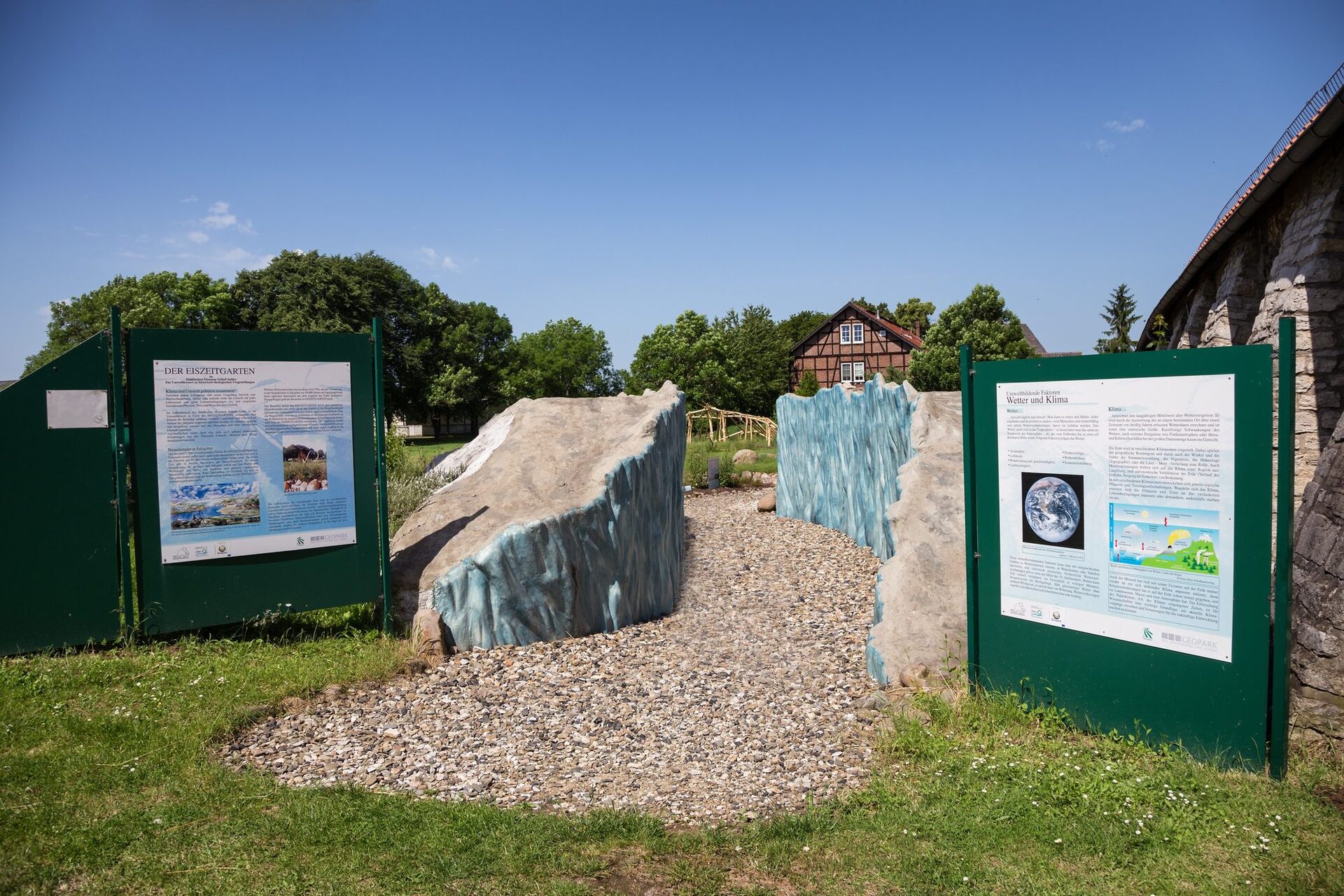
The Eiszeitgarten
The Salder Castle Municipal Museum has had a special attraction since July 2, 2006. The outdoor area "Eiszeitgarten" has been created on 2000 square meters. In conjunction with the permanent archaeological exhibition in the castle on the subject of "50,000 years of life in Salzgitter", the Eiszeitgarten shows the living conditions of the Neanderthals, who, as finds at the Krähenriede in Lebenstedt prove, went hunting in the northern Harz foreland at the beginning of the last ice age.
Outside the museum buildings, sculptures and objects by nationally and internationally renowned artists can be seen next to the old bakehouse and the Osterlinder Bockwindmühle windmill in the mill garden.




 read out

