The lecture is organized by the Salzgitter History Association in cooperation with the Municipal Museum. There will be a free guided tour of the special exhibition with museum director Arne Homann at 5 pm. The lecture venue is barrier-free and parking is available in the castle courtyard. Anyone interested is invited. Admission is free.
About the topic and the special exhibition:
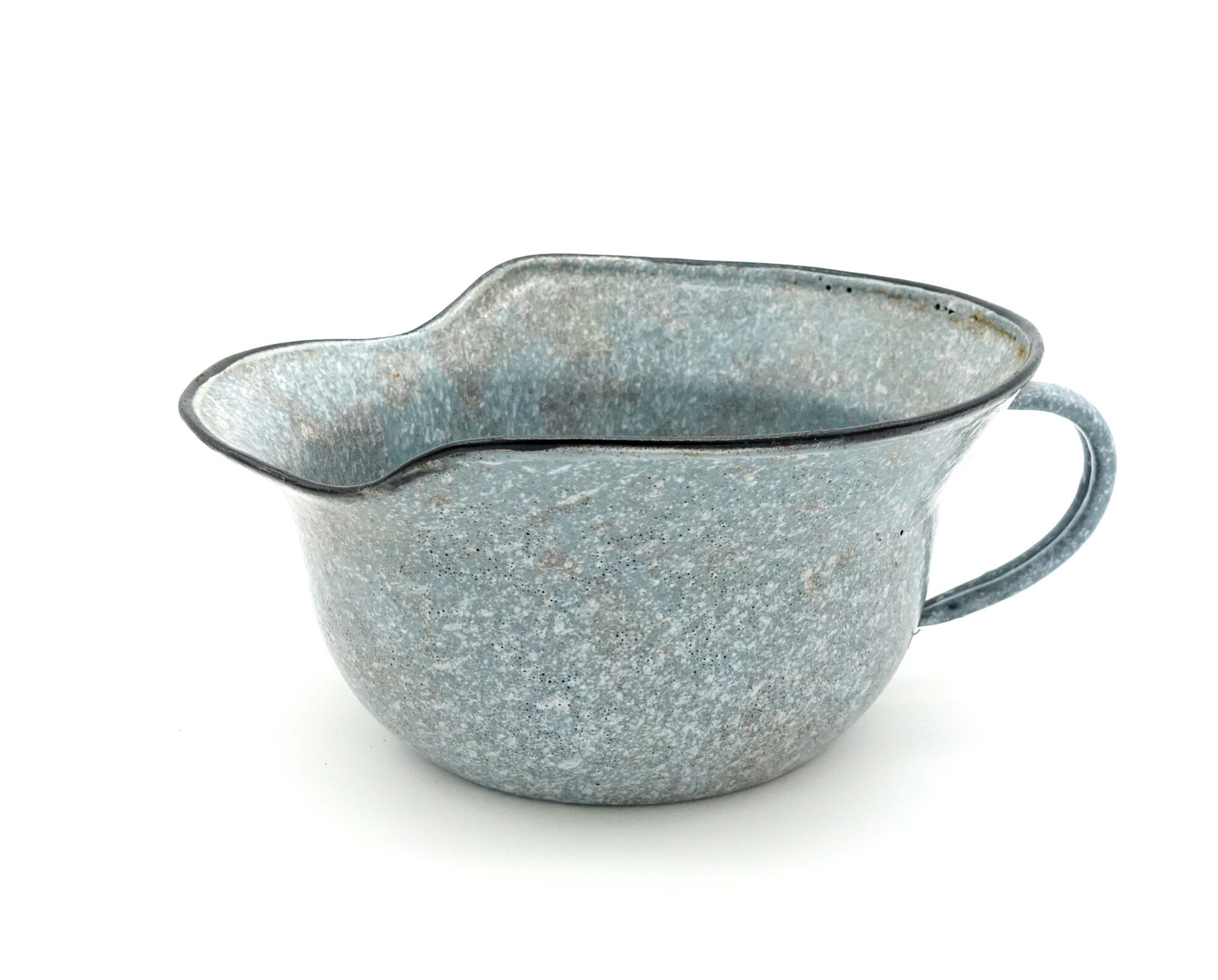
Chamber pots and slurry scoops made from steel helmets, children's clothes made from uniforms and swastika flags, butter containers and Christmas tree stands made from mines - what sounds bizarre at best today was "normality" for many people in the immediate post-war period. This is because a direct consequence of the Second World War was a severe supply crisis in large parts of Europe and the Soviet Union that had been destroyed by the war.
The lack of everything was countered creatively, among other things by producing civilian "emergency items". In general, these were often urgently needed everyday civilian items such as furniture, kitchen utensils and clothing, but also toys and Christmas tree decorations, some of which were produced by the users themselves, others by craftsmen or industrially. Above all, military material and war scrap that was no longer needed was processed. After all, both were the only things available in abundance as a result of the Second World War.
Until July 14, the special exhibition at the Salder Castle Municipal Museum illustrates this central survival aspect of the post-war period using hundreds of original objects from the private collections of Olaf Weddern and Peter Geissler as well as from the museum collection. Much of it seems unusual and disconcerting. Sometimes the military origin is immediately recognizable, other times not even on closer inspection. Yet each individual emergency object documents a phase of our history in which inventiveness and creativity helped to overcome the everyday misery resulting from the war started by Germany.