

Monument owners in Salzgitter have also registered their monument treasures to present them to the public. The first viewing date is already scheduled for Saturday, September 13 at the Alstom Transport Salzgitter factory museum.
This year's Open Monument Day of the "German Foundation for Monument Protection" is taking place under the motto "Valuable: priceless or irreplaceable?".
In Salzgitter you can visit on September 13:
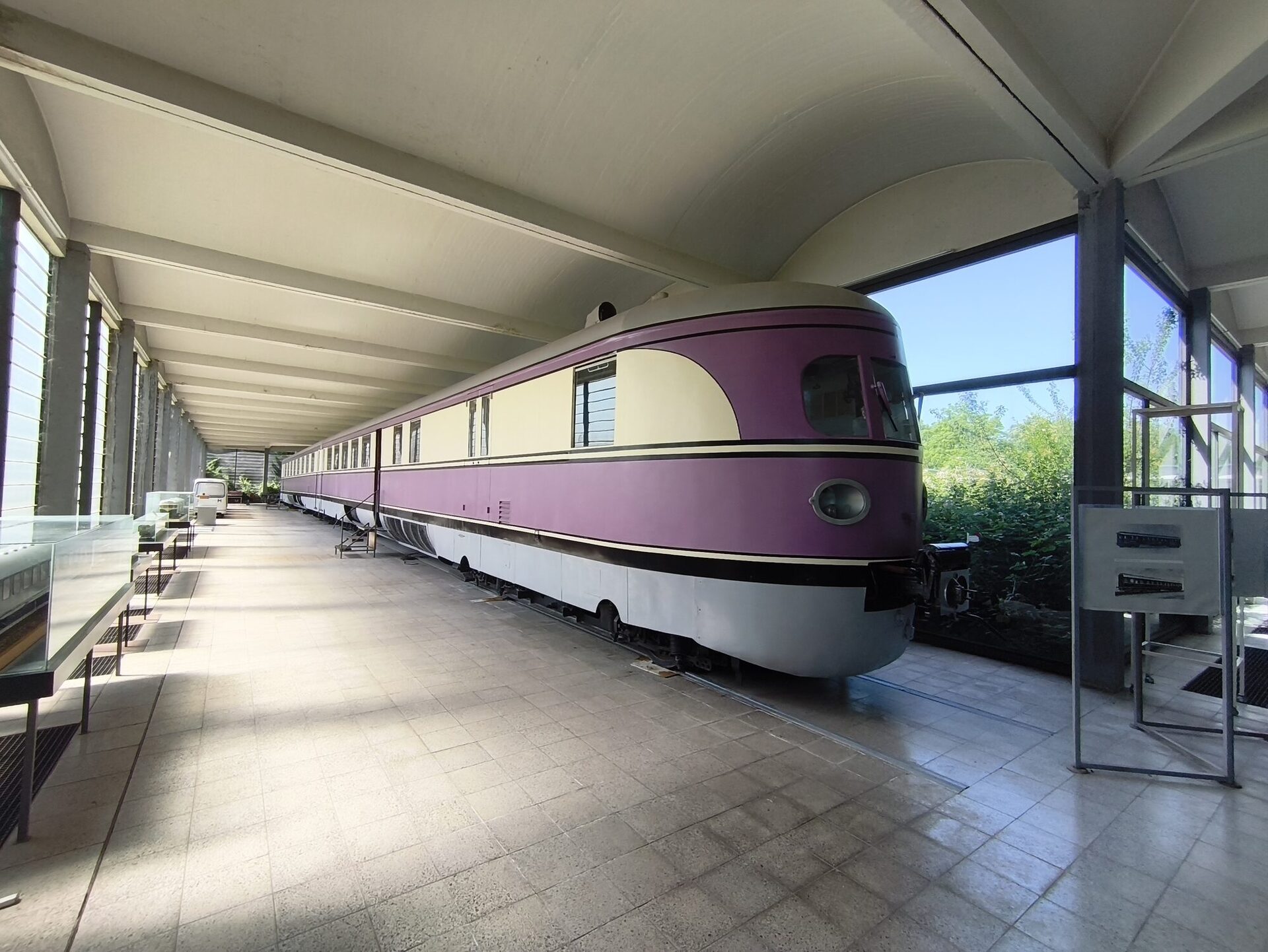
Alstom Transport Salzgitter factory museum
Location: Linke-Hofmann-Busch-Straße 1, near Watenstedt
The factory museum is 60 years old this year. It is the only factory museum of a rail vehicle manufacturer that also presents original vehicles from the history of Die Linke-Hofmann-Busch and Alstom in Germany. Most of the exhibits on display date from before 1950.
Some examples of the exhibits on display: Steam hammer from 1835: Oldest surviving steam hammer in Germany; Goods wagon from 1869: All metal parts still original; Salon car of the German Empress from 1911: Still many parts of the interior with its inlays in the original; Model of a battery railcar of the Prussian railroad from 1912.
The factory museum is looked after by former employees and friends of the railroad and kept in good condition to make it accessible to the public.
Opening hours: 9 am to 4 pm.
The following monuments can be visited in Salzgitter on September 14:
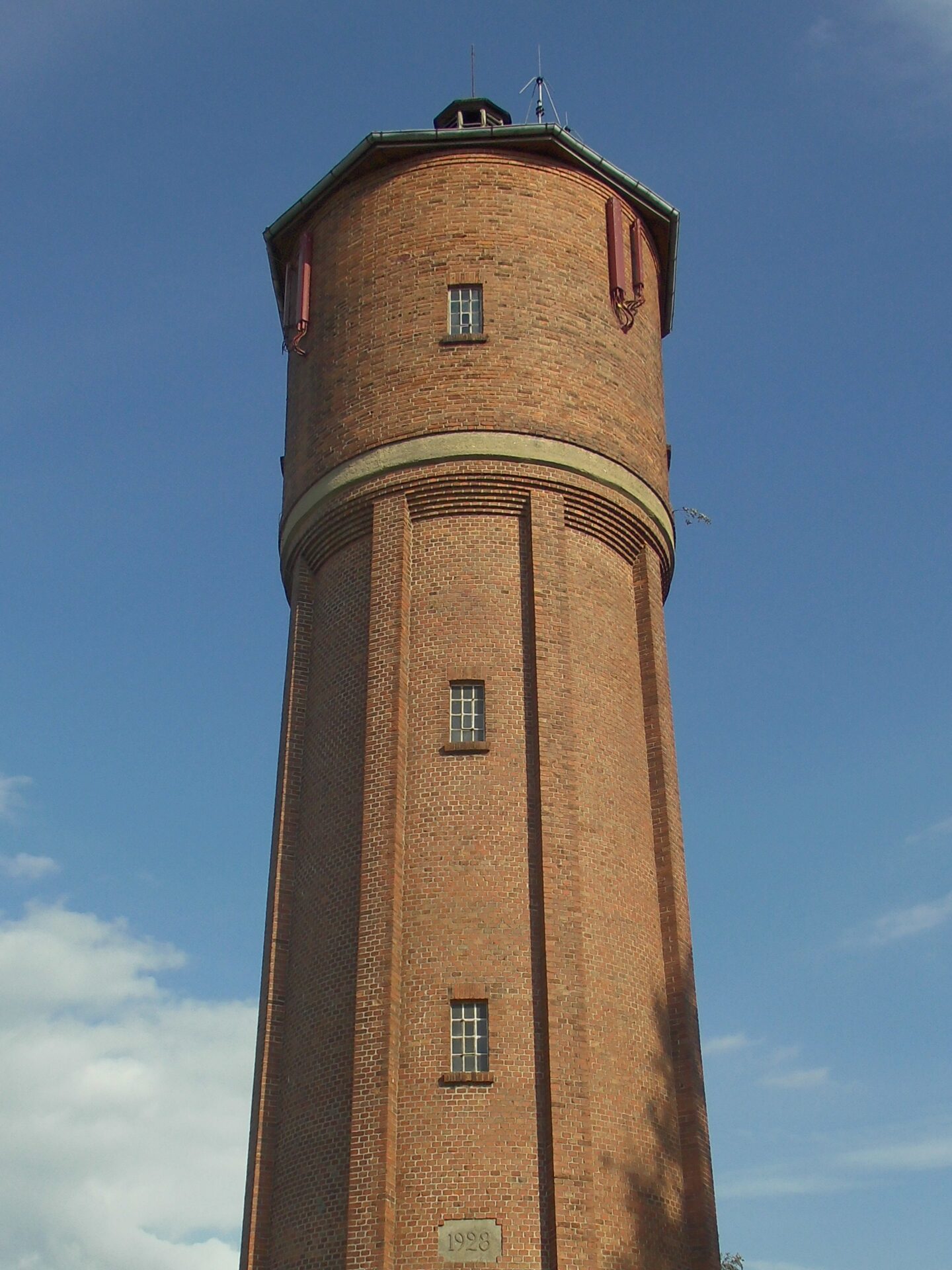
Lobmachtersen water tower
Location: Am Spring 7, in Lobmachtersen
The historic water tower is open to visitors from 10 am to 12 noon and 2 pm to 4 pm.
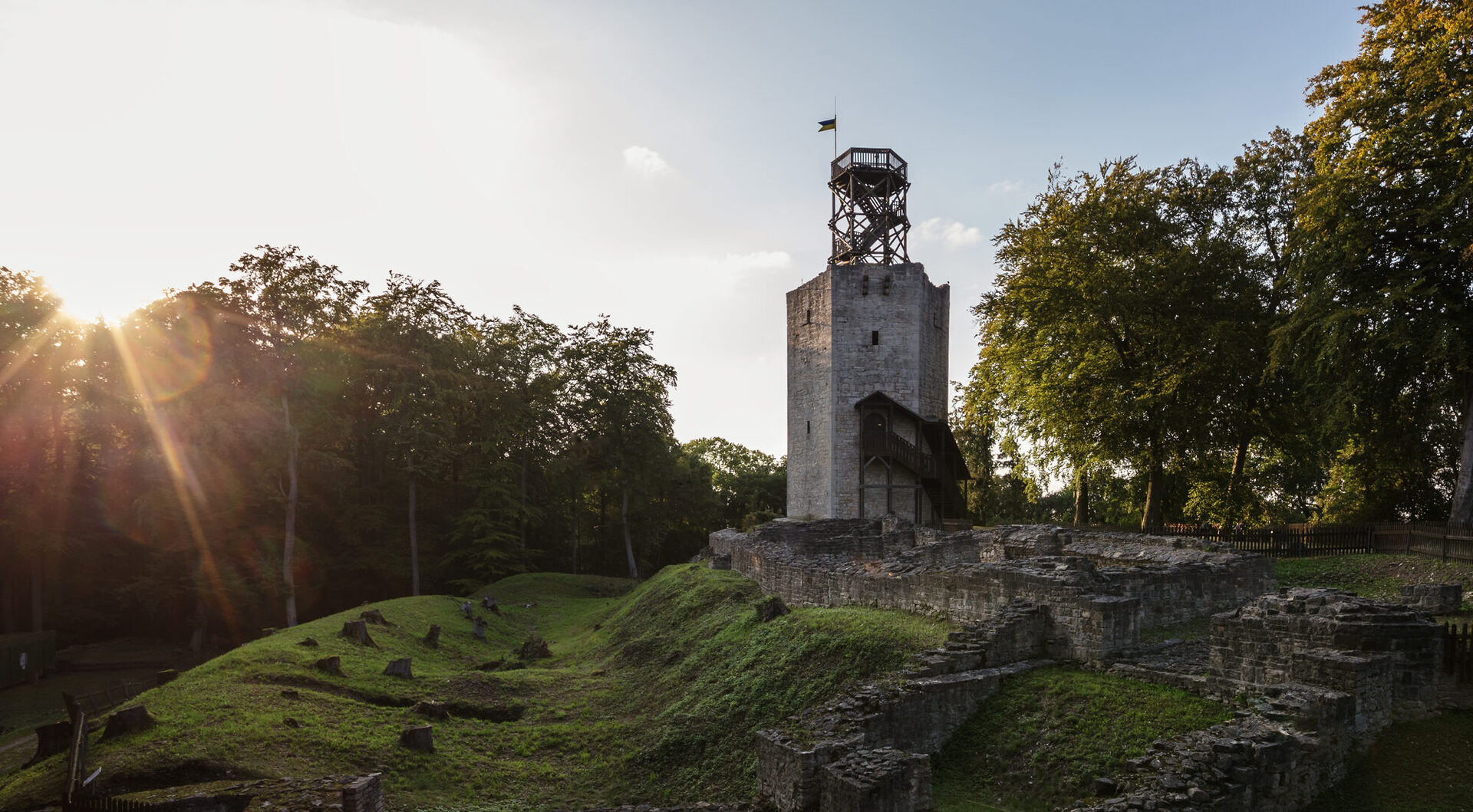
Lichtenberg castle ruins
Location: Burgbergstraße 147 in the Salzgitter hills near Lichtenberg
The castle ruins in Lichtenberg are a high to late medieval castle complex that was built at the end of the 12th century. It was a strong border fortification of Henry the Lion and the Guelphs to control the old road on the northern edge of the Salzgitter ridge. In the 19th century, the castle, which had fallen into disrepair over time, became a romantic excursion destination. Together with archaeological excavations, some parts of the castle have been restored and made accessible.
Opening hours and accompanying program
11 a.m. to 4 p.m.
Guided tours every hour on the hour
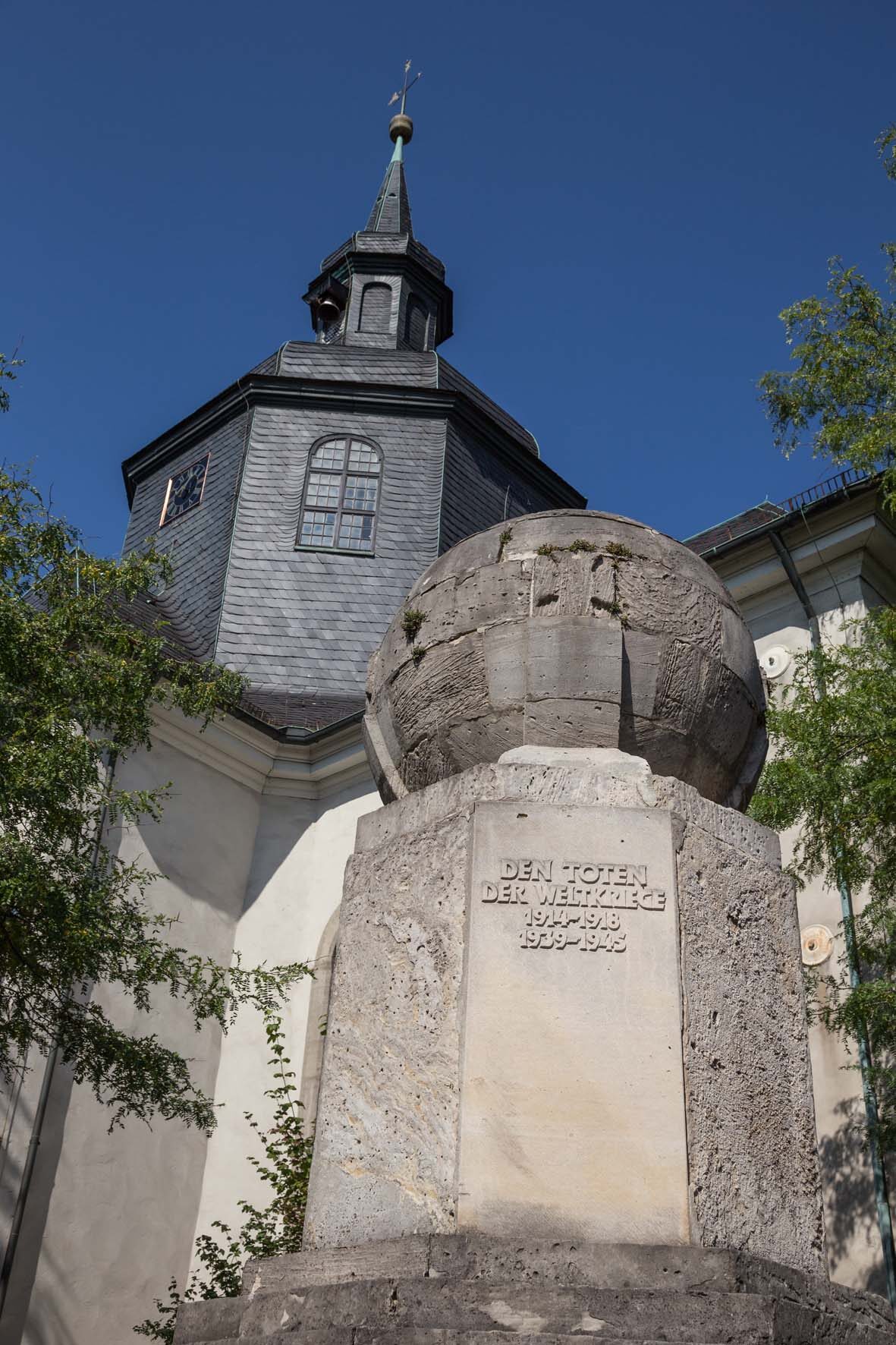
Salder Castle Church - St. Mary Magdalene
Location: Castle Church 4, Salder
The local preservationist Renate Vanis offers guided tours of the baroque castle church between 11 am and 1 pm.
The baroque castle church was built between 1713 and 1717 as a Protestant central building. The plans were drawn up by the Braunschweig fortress building director Völcker. The aim was to build a Protestant church according to the latest design specifications, which could not be used for Catholic services. The result was a very special and unusual church.
Times:
11 a.m. to 1 p.m.
Duration and frequency of the tour: as required
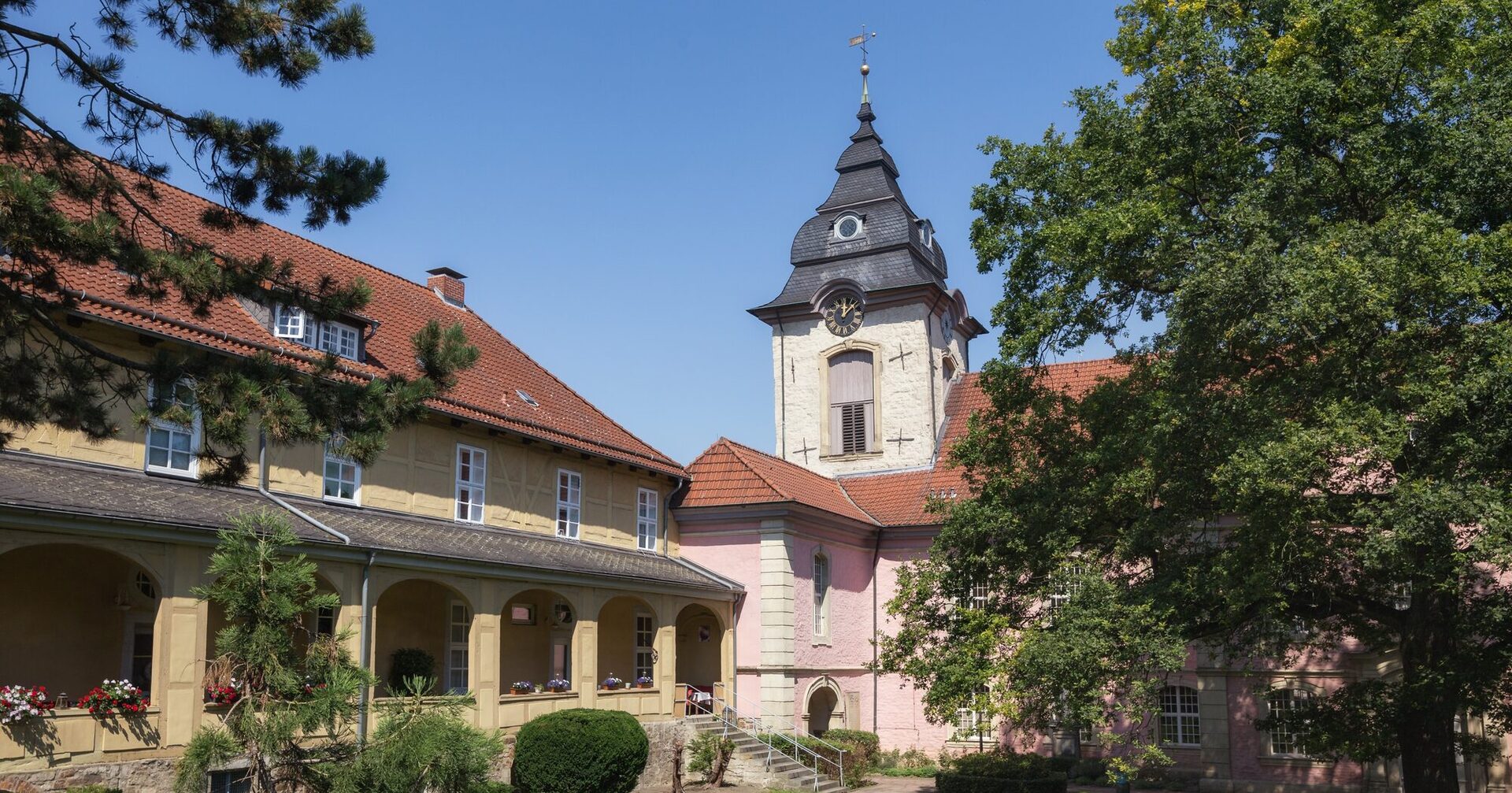
Steterburg collegiate church in Thiede
Location: Straße Stift 2 in Thiede (Steterburg)
On site, tour guide Elisabeth Lauer provides information about the history of the collegiate church.
A ladies' convent founded in 1001 took the place of the early medieval Steterburg castle located directly next to it. The oldest surviving parts of the building date back to the 11th century. The abbey church is one of Salzgitter's most important religious buildings. The history of this church and its two predecessors dates back to the time when the Damenstift was founded. St. Nicholas' Castle Chapel initially served as the collegiate church until the first church was completed in 1070 and could be consecrated by Merseburg Bishop Werner. It had to be demolished around 1160 due to dilapidation and replaced by a new building, and the construction of the new Romanesque church began in 1165 under Provost Gerhard II. On the night of January 21-22, 1328, a fire destroyed a large part of the church, only the choir, northern transept and side aisle were spared. After it was rebuilt, the church building was mainly affected by military conflicts, but it was not until the Thirty Years' War that it was destroyed to such an extent that a new building became unavoidable.
Between 1751 and 1758, Duke Karl I (1735 to 1780) had the present Baroque church built by the architect and officer Anton Ulrich von Blum and, after his death, by Friedrich Grützmann.
Times:
The collegiate church in Steterburg (in Thiede) is open from 11 am to 5 pm.
Events at the Drütte Concentration Camp Memorial:
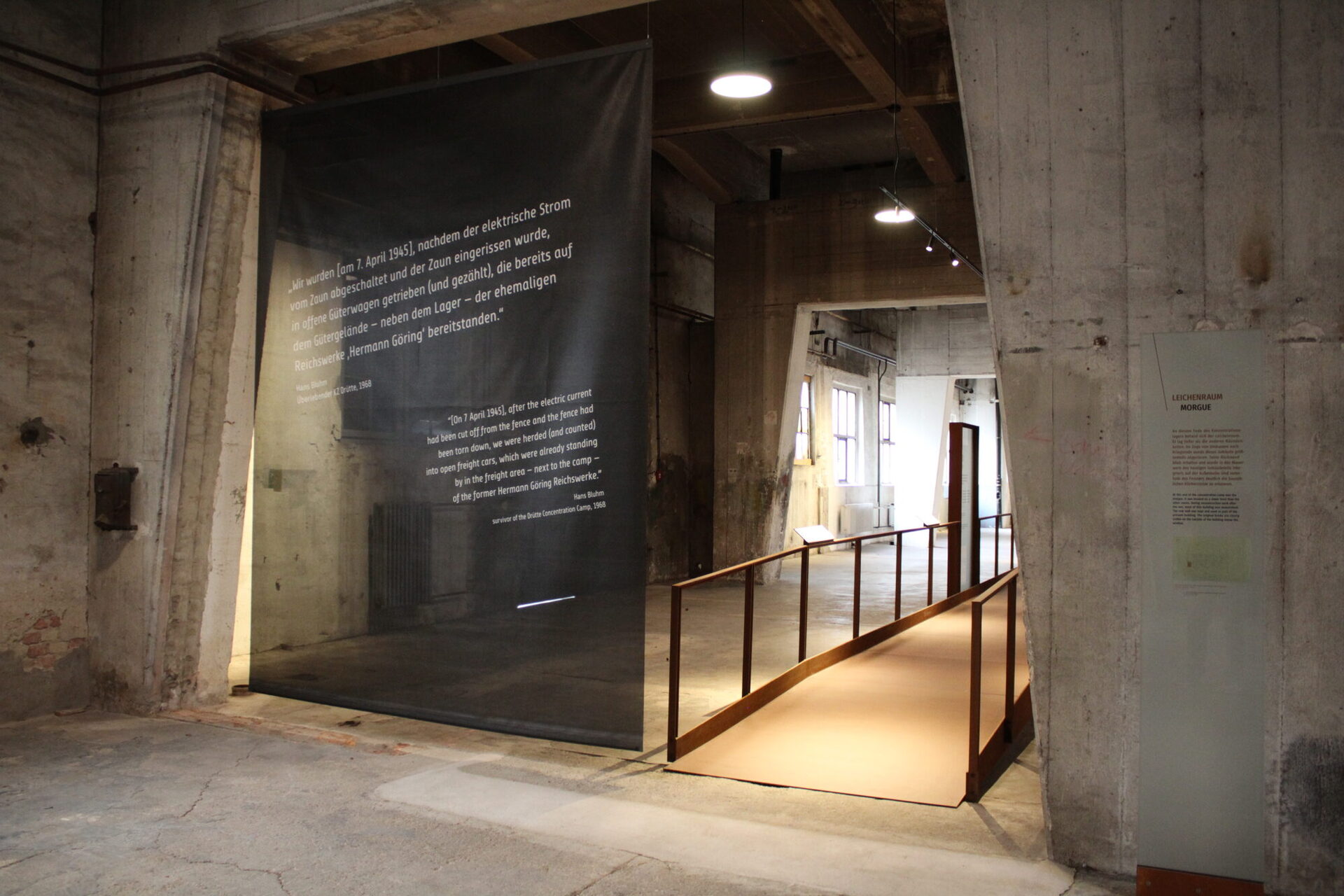
Drütte Concentration Camp Memorial and Documentation Site
Access: Gate 1 of the Salzgitter AG smelting works on Eisenhüttenstraße near Watenstedt
The Arbeitskreis Stadtgeschichte e.V. invites you to a guided tour of the Drütte concentration camp memorial from 11 am to 1 pm.
In 1942, the SS set up a concentration camp on the grounds of the Reichswerke "Hermann Göring". Several thousand prisoners were forced to work in armaments production. The SS were paid for their labor, but their lives had no value.
But what was of value in the concentration camp? This question will be explored during the tour. We will also take a look at the present day: What is valuable for us today to be remembered and shown?
City History Working Group e.V.
Drütte Concentration Camp Memorial and Documentation Site
Wehrstrasse 29
38226 Salzgitter-Lebenstedt
Phone: 05341 / 44581
E-Mail: iinfogedenkstaette-salzgitterdeenkstaette-salzgitter.de
Women's concentration camp in Salzgitter-Bad
Location: Meeting point: Friedrich-Ebert-Straße (parking lot at the end of the street) in Salzgitter-Bad. (Today only a memorial stone commemorates the concentration camp).
The City History Working Group invites you to a guided tour of the former women's concentration camp in Salzgitter-Bad from 3 to 4 pm.
In the late summer of 1944, the Salzgitter-Bad concentration camp was set up as the last of four satellite camps in the former civilian workers' camp no. 43 on the southern edge of the town. On September 13, 1944, the first transport of around 270 women arrived from the Ravensbrück concentration camp. After a further transport in October, the occupancy rate was around 500 female prisoners. The women had to work in armaments production. They were housed in four barracks. 80 years after the concentration camp was dissolved, the former camp grounds are now a parking lot. For a long time, only a memorial stone at the edge of the area commemorated the site.
The guided tour traces the structures of the camp and presents some of the fates of the women imprisoned there in more detail.
City History Working Group e.V.
Drütte Concentration Camp Memorial and Documentation Site
Wehrstraße 29
38226 Salzgitter-Lebenstedt
Phone: 05341 / 44581
E-Mail: iinfogedenkstaette-salzgitterdeenkstaette-salzgitter.de
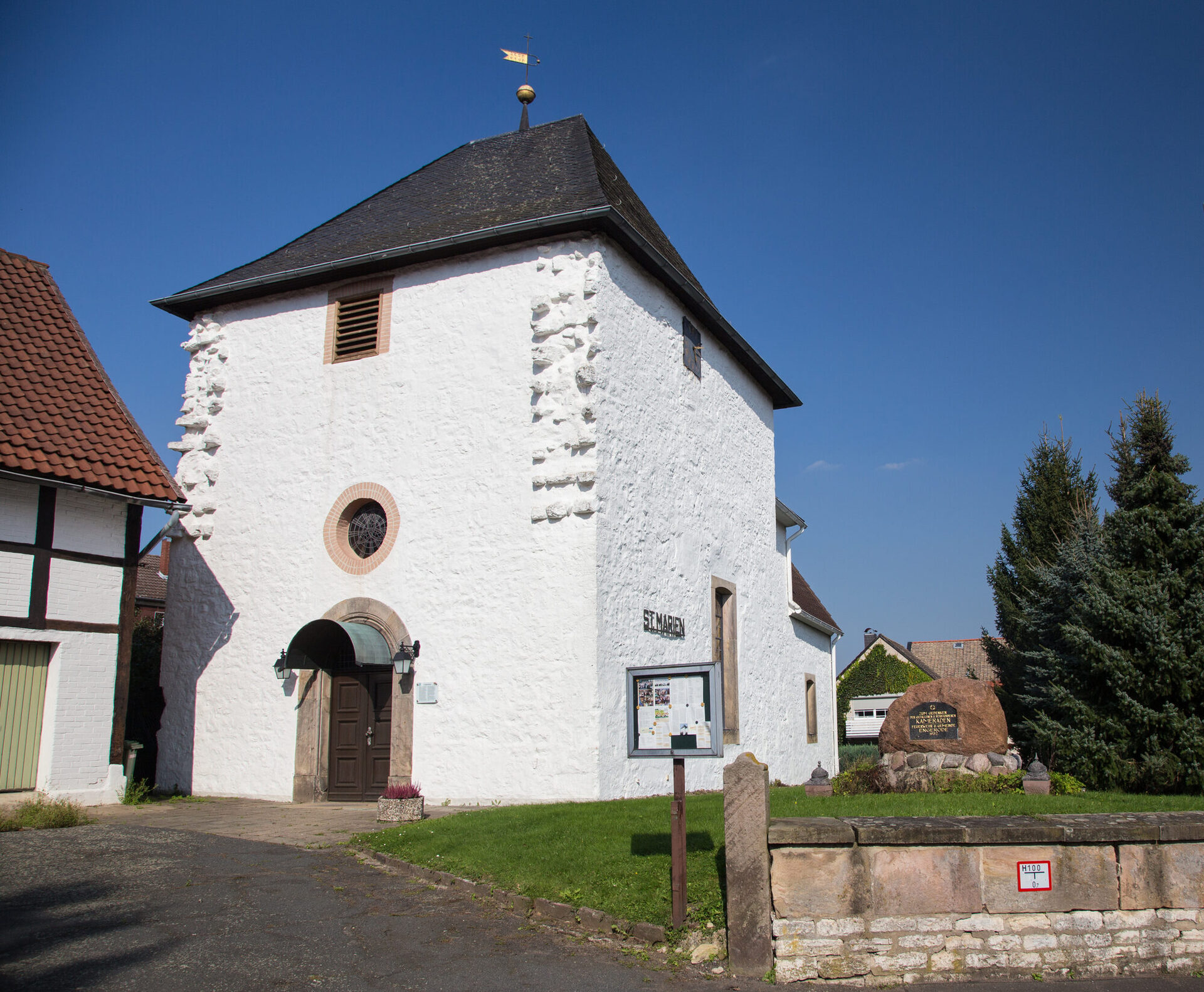
St. Mary's Church in Engerode
Location: An der Marienkirche 5, Engerode
The sexton Hendrik Sukopp offers a guided tour of the medieval church in Engerode at 2.30 pm and 3.30 pm.
There is a church service at 5 pm - visitors are very welcome.
St. Mary's Church was first mentioned in a document in 1236. The church was probably part of a planned monastery complex or a noble residence. A statue of the Virgin Mary in the church is said to have performed miracles, making the church a place of pilgrimage. Unfortunately, this statue has now disappeared. However, medieval wall paintings have been preserved in the church - a very special treasure of the region.
Times:
2.30 p.m. and 3.30 p.m. and church service at 5 p.m.
Duration of the tour: approx. 50 minutes
Further information
Further information on this year's "Open Monument Day" is available on the website of the "German Foundation for Monument Protection " (opens in a new tab) www.tag-des-offenen-denkmals.de and from the City of Salzgitter's Building Regulations and Monument Protection Department on 05341 / 839-3661 or christoph.lueckestadt.salzgitterde as well as from the organizers of the respective monument openings.