While older research considered a first mention in 1174 and a derivation from the Old Saxon term bom possible for Baum, contemporary place name research rejects this. It assumes a first mention as Benem in a papal document from 1209, in which the Ringelheim monastery's possessions and privileges are confirmed, and favors a derivation from a personal name Baio.
Archaeological sources provide an insight into times from which no written sources have survived. An earthwork dating back several millennia to the Neolithic period has left traces on a field in the Beinum district that can still be seen from the air. During road construction work between Beinum and Calbecht in the 1880s, a Roman silver coin showing a portrait of Marcus Aurelius was found.
The Liebenburg office, to which Beinum belonged, had an inheritance register drawn up in 1548, which provides an insight into the local circumstances: Beinum had 31 farmsteads at the time. The eight arable farms farmed up to 120 acres of arable land, meadows and woodland, while the 23 dung farms only had up to 25 acres of land at their disposal.
At the beginning of the 19th century, the political affiliation of Beinum changed frequently. In 1803, the Hochstift Hildesheim was abolished and Beinum initially belonged to Prussia, which fell to Napoleon in 1806 and lost half of its territory. Until 1813, Beinum belonged to the Kingdom of Westphalia, headed by Jérôme, Napoleon's youngest brother. In 1815, the territory of the former prince-bishopric was finally awarded to the Kingdom of Hanover. On April 1, 1942, Beinum, which had belonged to the district of Goslar since 1885, became part of the newly formed town of Watenstedt-Salzgitter.
A camp was set up south of Beinum in the spring of 1938, initially housing around 200 workers from the surrounding ore shafts. In the summer of 1940, it was converted into a prisoner of war camp, where Soviet prisoners of war were interned until the end of the war. In November 1947, the camp was abandoned and largely demolished.
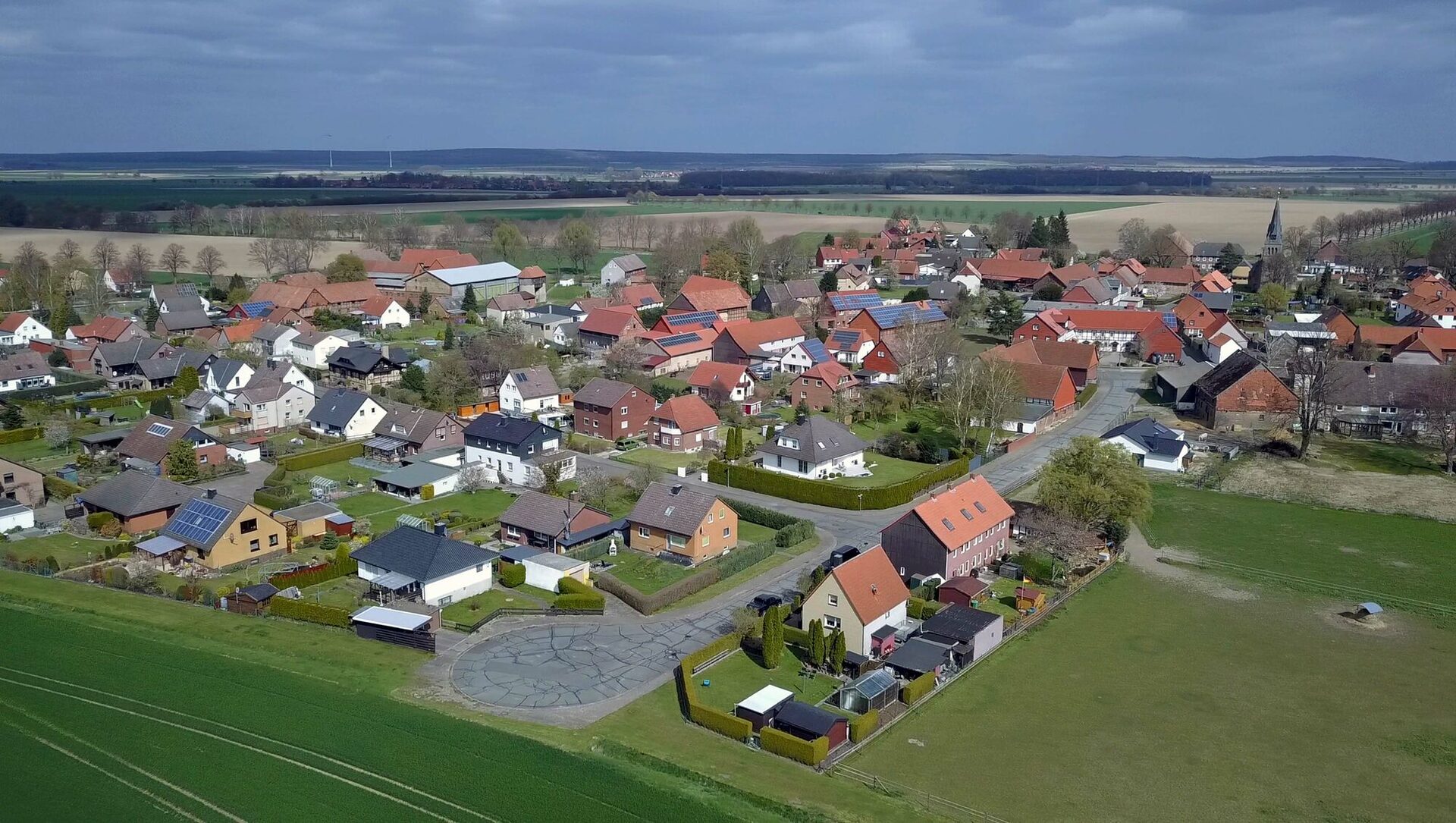
Today, just under 500 people live in the district, which is part of the village of Südost and is still predominantly agricultural with a well-functioning village community and lively club life.