

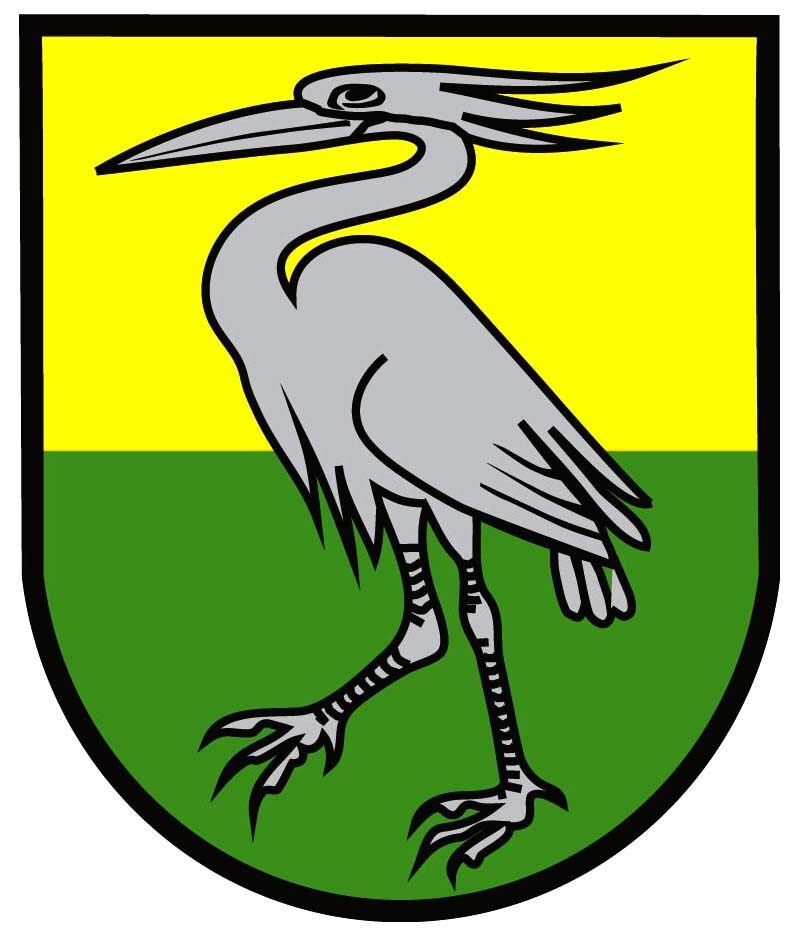
With the help of archaeological sources, the history of Ohlendorf can be traced back further than its first mention: in 1955, pottery shards were found north-east of Ohlendorf, indicating that there was already a small settlement there in the 4th/5th century.
The first detailed description of Ohlendorf is contained in the register of inheritance of the Schladen office from 1567. Seven farmers lived in the village, who owned larger plots of land, and 24 Kotsassen, who had smaller plots of land at their disposal for cultivation.
In the 19th century, the political affiliations in the south of today's city of Salzgitter changed several times: initially Ohlendorf was still Hildesheim, then Prussian, it belonged to the Kingdom of Westphalia created by Emperor Napoleon Bonapart at the beginning of the century, was then Hanoverian until 1866 and finally became part of Prussia again.
For the inhabitants, the changes in political affiliation probably did not play a major role in everyday life. However, the consecration of the newly built church in 1870/71 was probably a very significant event. The distribution of the costs among the parishioners to finance the new building, designed by the important architect Conrad Wilhelm Hase, was discussed for several years.
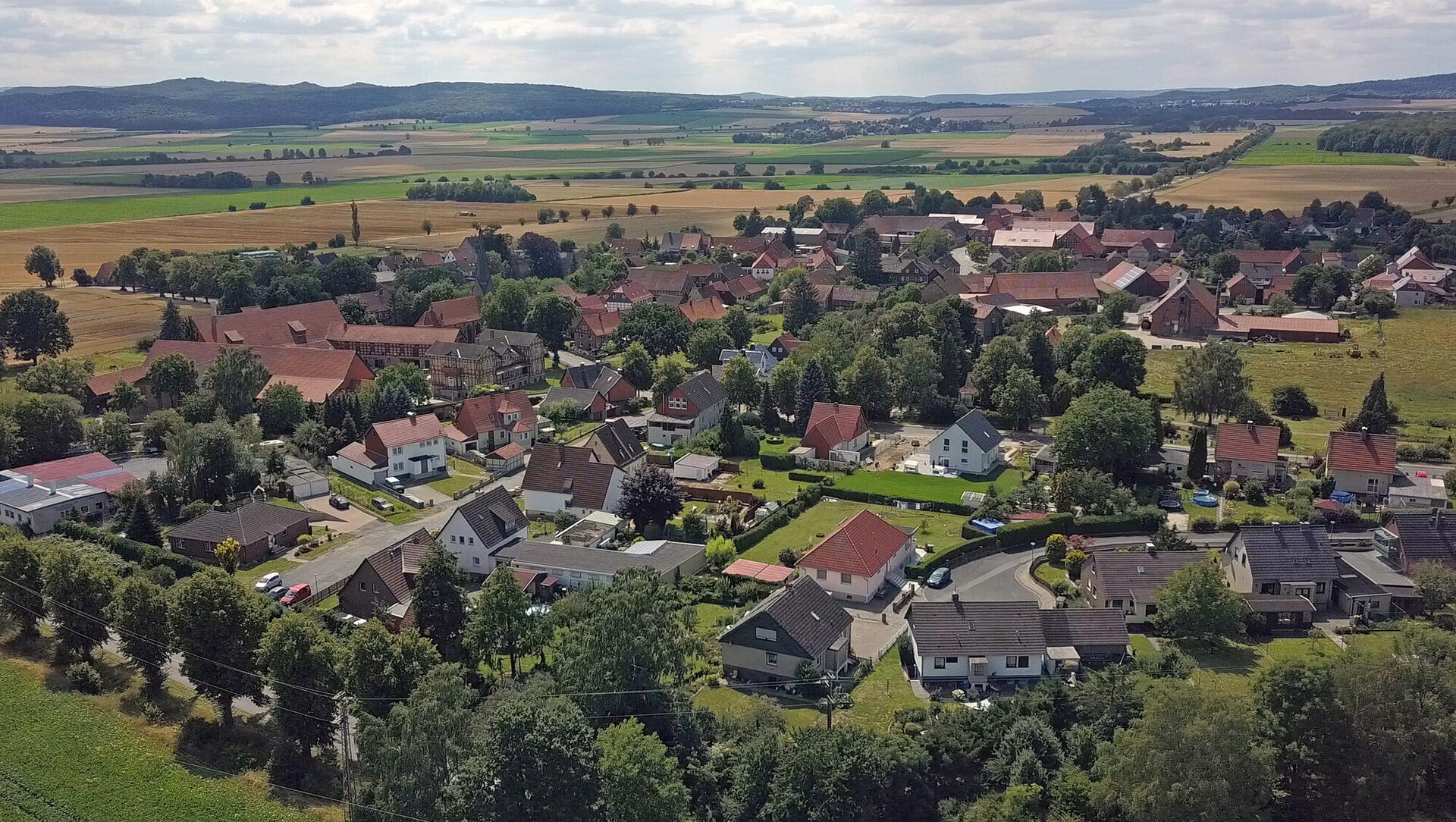
In contrast to other places in the area of today's city of Salzgitter, Ohlendorf did not change drastically with the construction of the Reichswerke. Although a mine and a camp were built in the district to house prisoners of war who were forced to do forced labor, the basic structure of the village and its farms remained intact.
Today, only the miners' settlement built in 1956/57 on the road to Gielde is a reminder of the ore mining era. The last ore train left the Ohlendorf shaft on April 20, 1966.
Even though the infrastructure in the district on the south-eastern edge of the town gradually declined in the second half of the 20th century due to the closure of grocery stores, bakeries, butchers and banks, there are still very active clubs that shape social interaction to this day. The TSV Ohlendorf from 1924 and the Ohlendorf volunteer fire department have the most members.
