

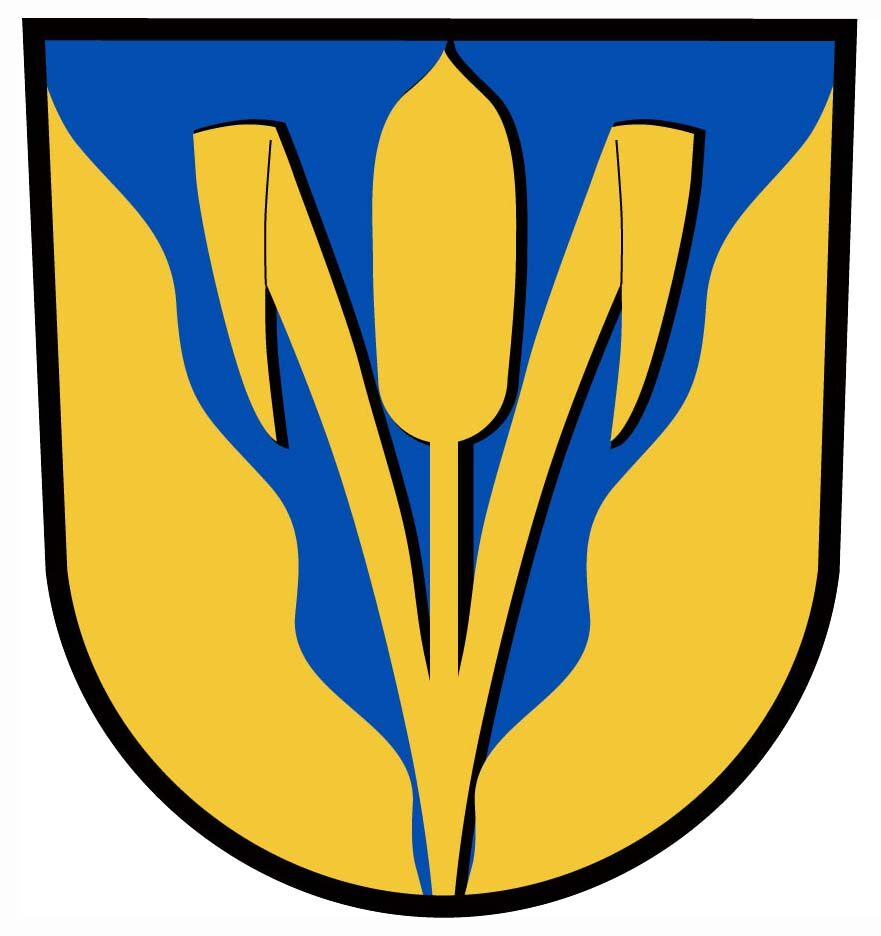
The Amt Lichtenberg, which had its seat on the domain of the same name since the destruction of Lichtenberg Castle, was the overarching administrative unit of the sovereign, whose inheritance registers provide an insight into the economic situation of the village. In the 16th century, Lesse had two mills, a sheep farm and two inns. The von Cramm family had been associated with Lesse since the 14th century. In 1685, Johann Carl von Cramm built the manor house on Bereler Straße, which is still standing today.
In the geographical and statistical description of the principalities of Wolfenbüttel and Blankenburg from 1802, Lesse is still described as "the largest parish village in the whole country", with a population of 1,230. The same source points out that a particularly large amount of yarn was spun in Lesse. The cultivation of flax and the processing of flax fibers into yarn at home was an important source of income in the countryside at the beginning of the 19th century. Increasingly machine-produced yarn and competition from cotton made linen weaving irrelevant in the following decades.
The loss of this source of income may have encouraged the lower social classes to turn their backs on Lesse. 60 men and women from Lesse were officially recorded in the Braunschweigische Anzeigen who emigrated between 1846 and 1871, mainly to America. There are no concrete figures on how many people emigrated from Lesse to the town at that time.
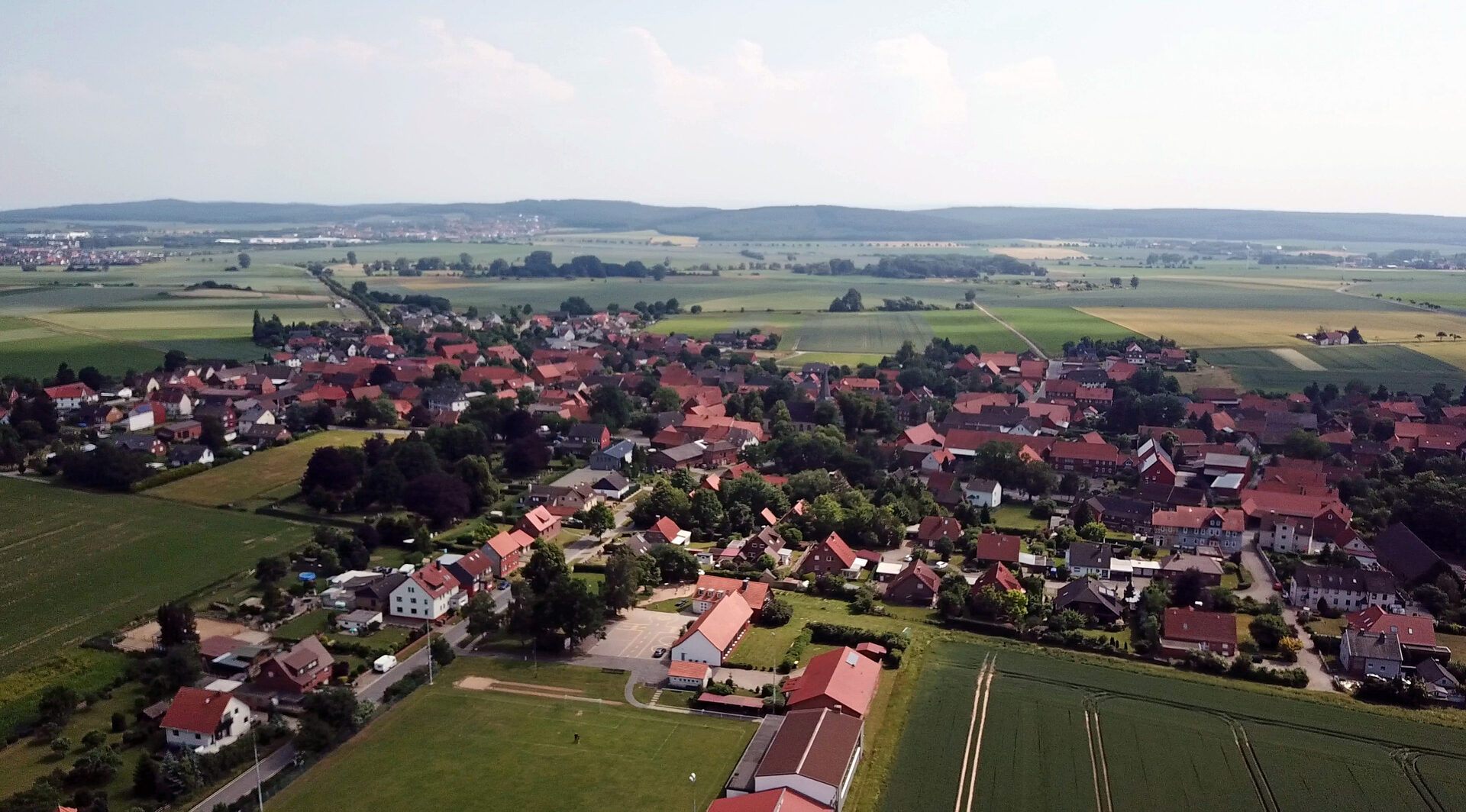
When planning the construction of a large National Socialist housing estate, the architect Herbert Rimpl drew up a proposal that covered the districts of Lebenstedt, Salder, Engelstedt, Reppner, Lesse, Lichtenberg and Bruchmachtersen. 130,000 people were to be able to live in the city. However, only a fraction of the plans were realized. While the eastern part of the new city with sections I-VI around Lebenstedt was built with minor changes, the part extending to the village boundary of Lesse was not realized.
The Lesser Forum, an association of local clubs, not only dedicated an anniversary plaque in the summer of 2022 to commemorate the first mention of the district in 1022, but also dedicated a hop tree as an anniversary tree.