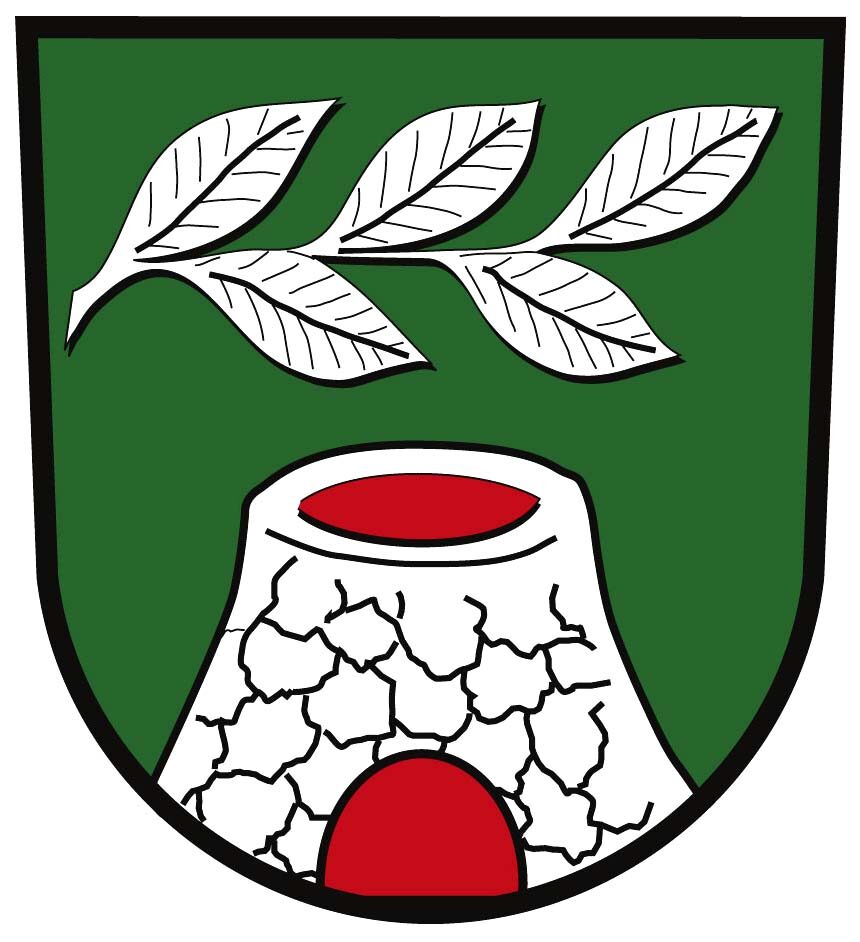
The first traces of settlement date back to the time around the birth of Christ: just a little to the west of today's village, on the edge of the Holzriede stream, a settlement from the Roman Empire was unearthed in several excavation campaigns in the 1950s and a racing furnace was recovered, which proves that iron ore was being processed in the region as early as the third century AD.
Lobmachtersen initially belonged to the Lichtenberg district, which was one of the largest districts in the Principality of Braunschweig-Wolfenbüttel in the 15th century with a total of 27 villages. In 1542, Lobmachtersen and the neighboring villages of Calbecht and Leinde were assigned to the Gebhardshagen office. The first information about the inhabitants of the village dates from this time. In the register of inheritance of the Gebhardshagen office from 1548, the owners of the six arable farms, two half-horse farms and 33 dung farms are mentioned by name for the first time.
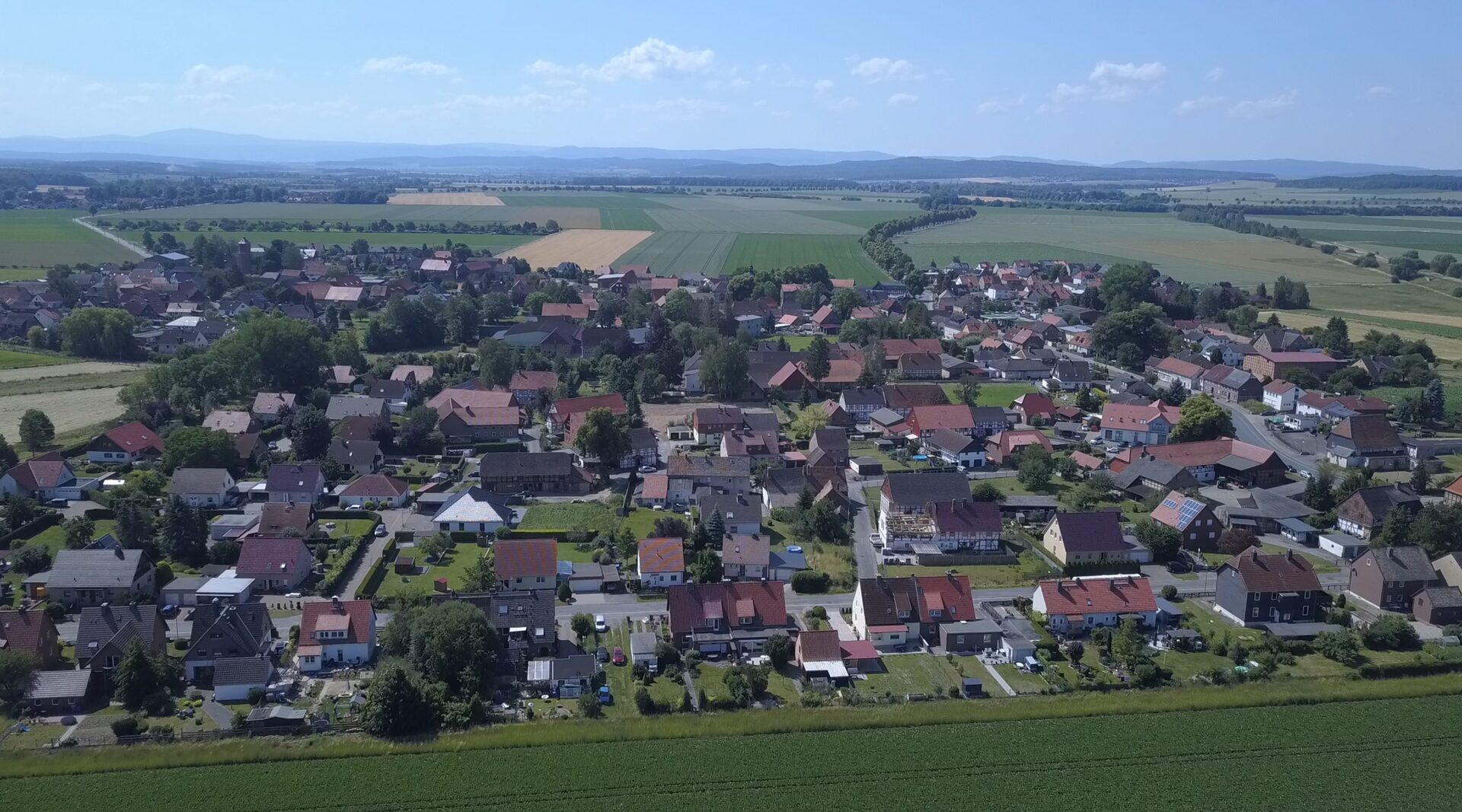
In the middle of the 19th century, industrialization changed the appearance of Lobmachtersen. As early as 1849, a brickworks was built to exploit the clay deposits on the western edge of the village, followed by another brickworks in 1870, which continued to operate into the 20th century. Lobmachtersen is also the only district in Salzgitter that can call a water tower its own: a waterworks with a tower and ring main was built in 1928 and was in operation until 1982. Today, the almost 30-metre-high water tower is a landmark of the district, which has a population of just over 800 and is maintained by a support association.
The establishment of the Reichswerke Hermann Göring initially had little direct impact on Lobmachtersen, which was incorporated into the newly formed town of Watenstedt-Salzgitter on April 1, 1942. The post-war period in Lobmachtersen was also characterized by the difficulty of having to accommodate large numbers of refugees and displaced persons: the population almost doubled, the food situation was difficult, small plots of land were laid out on the outskirts of the village to grow vegetables and potatoes.
Today, social life in the district is characterized by various clubs and groups. In addition to the support association for the water tower, the volunteer fire department, the Machterscher Kontrapunkt choral society and the Kyffhäuser play an important role.