Places whose modern names end in "-um" were founded in the Salzgitter region as early as the 5th or 6th century.
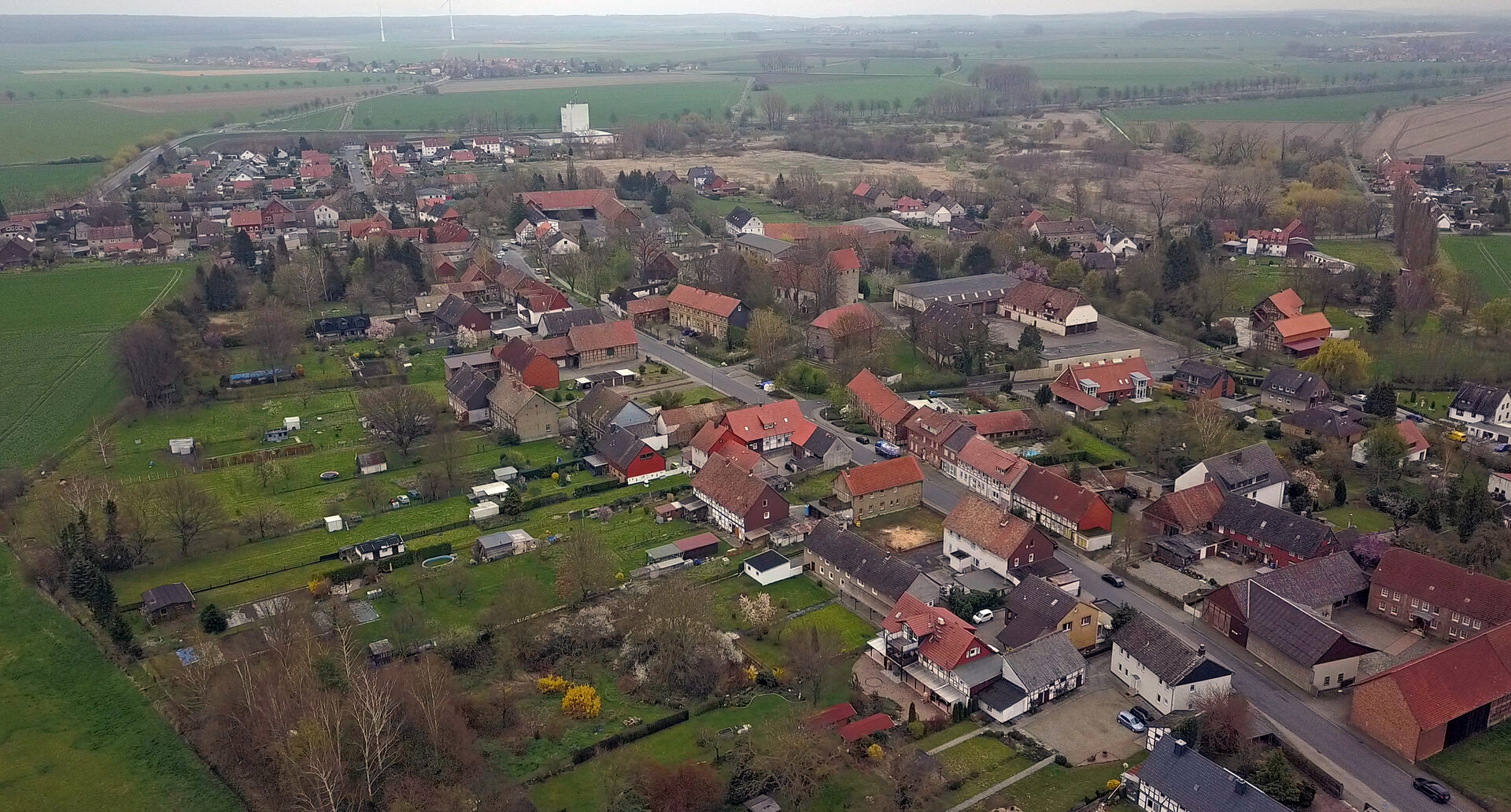
The oldest part of Barum is the old manor. It was built as a fortified farm and can be regarded as the origin of Barum. In addition to the manor, there were two arable farms and 27 dung farms in Barum in the 18th century.
Due to the economic developments at the time of industrialization, Barum achieved a certain prosperity. In the course of the 19th century, the population of Barum rose from around 300 to 400 to almost 900 people. There was a sugar factory in Barum from 1857. 74 farmers from Barum and the surrounding villages participated in the joint stock company. The production plant went into operation on October 1, 1858. Production was finally discontinued in 1986.
Barum was connected to the railroad network in 1886. Goods and people could now be transported via the rail network. After the Salzgitter-Drütte-Derneburg railroad line was re-routed and there was less demand for the Barum section of the line, it was closed in 1989. Barum no longer has a railroad station.
Another positive influence on Barum's economic development in the second half of the 19th century was the establishment of the Bremer and Spörr department store and the construction of the central dairy and three fertilizer and grain factories.
In 1937, the Reichswerke Hermann Göring were founded. On the basis of the "Ordinance on Land Procurement", required land in the Salzgitter area could be bought up or confiscated. Several farmers in Barum were affected by the expropriation. The Barum windmill also had to make way for the Reichswerke.
As in many other districts of Salzgitter, the number of inhabitants in Barum increased significantly after the end of the war because numerous refugees had to be accommodated in the Salzgitter area. In 1933 there were 628 people living in Barum, in 1939 there were 755 people and in 1946 there were already 1,230 people living in Barum, 246 of whom lived in the "camp for foreigners". Today, the number of inhabitants is around 730.
Since September 2022, a history and memorial plaque at St. Nicolai's Church has commemorated the Barum residents who died in the First World War.
Since September 2023, a memorial plaque from Barum has been on display in the municipal museum, commemorating the war of 1870/71.
Three clubs help shape social life in Barum. The Gut-Heil Barum gymnastics club has existed since 1896. The Barum volunteer fire department has been active since 1874. The Barum shooting club was founded in 1936.
