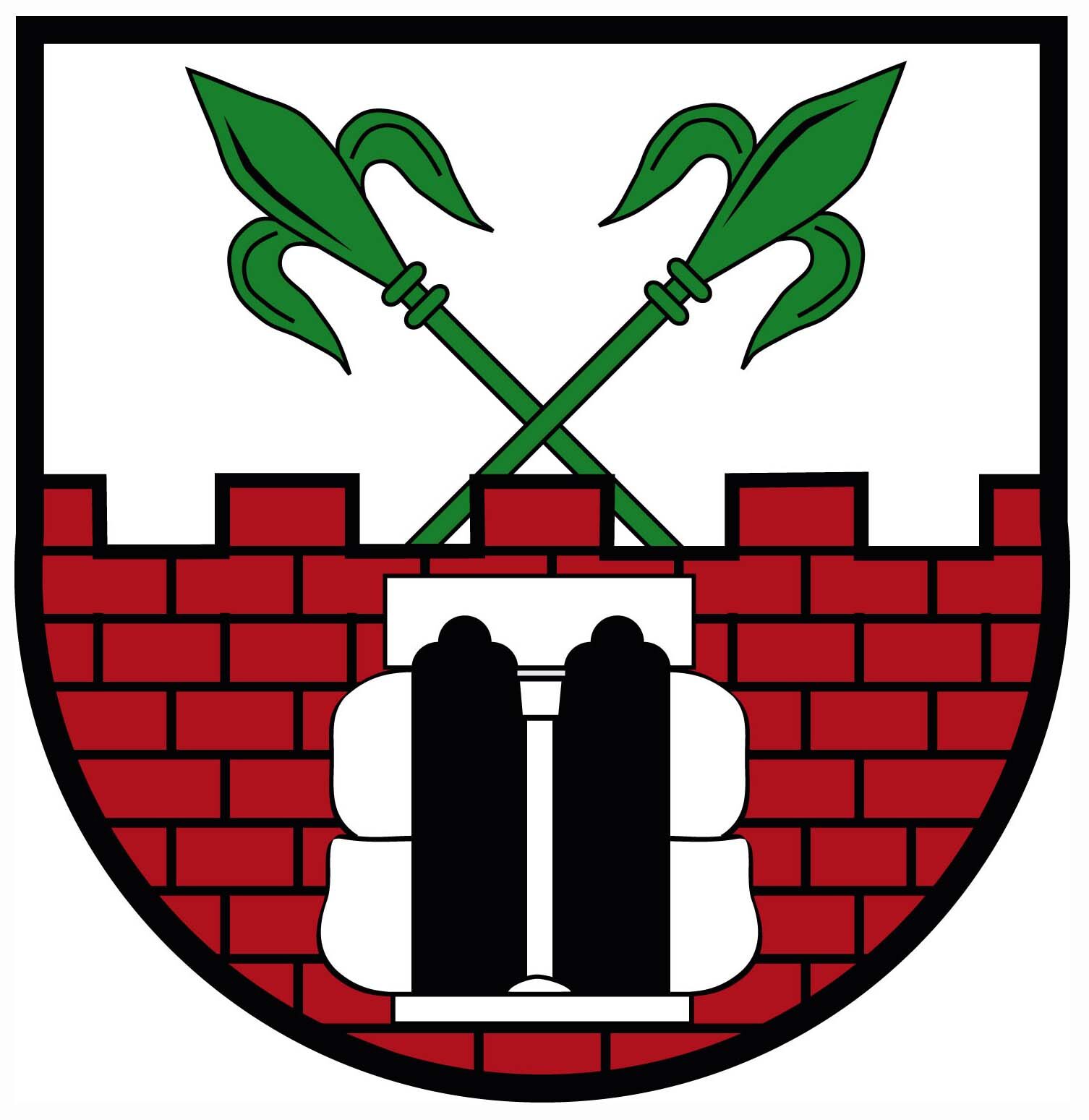
The location on a pass over the Salzgitter mountain range was probably decisive for the construction of a castle, which was first mentioned at the end of the 12th century.
While only the Latin name for Hagen, indago/indagine, has survived from the 13th century, the German spelling has been found in documents since the 14th century and was later preceded by the first name Gebhard. Gebhard was a common name in the noble family of the von Bortfelds, who used the castle as their ancestral seat between 1293 and 1354.
Due to the immigration of farmers from the nearby villages of Weddem and Kirchheerte, which later fell into desolation, Gebhardshagen gained in importance and became the seat of the office of the same name in the middle of the 16th century.
In 1848, the population of Gebhardshagen reached four figures for the first time with 1012 people. Work in the quarries in the Hardewegsforst forest attracted workers from outside the town. However, with the decline in flax cultivation, a source of income was also lost - spinning, which was often done at home, was in sharp decline.
The official emigration lists of the former Duchy of Brunswick include no fewer than 53 people who emigrated to America between 1846 and 1871.
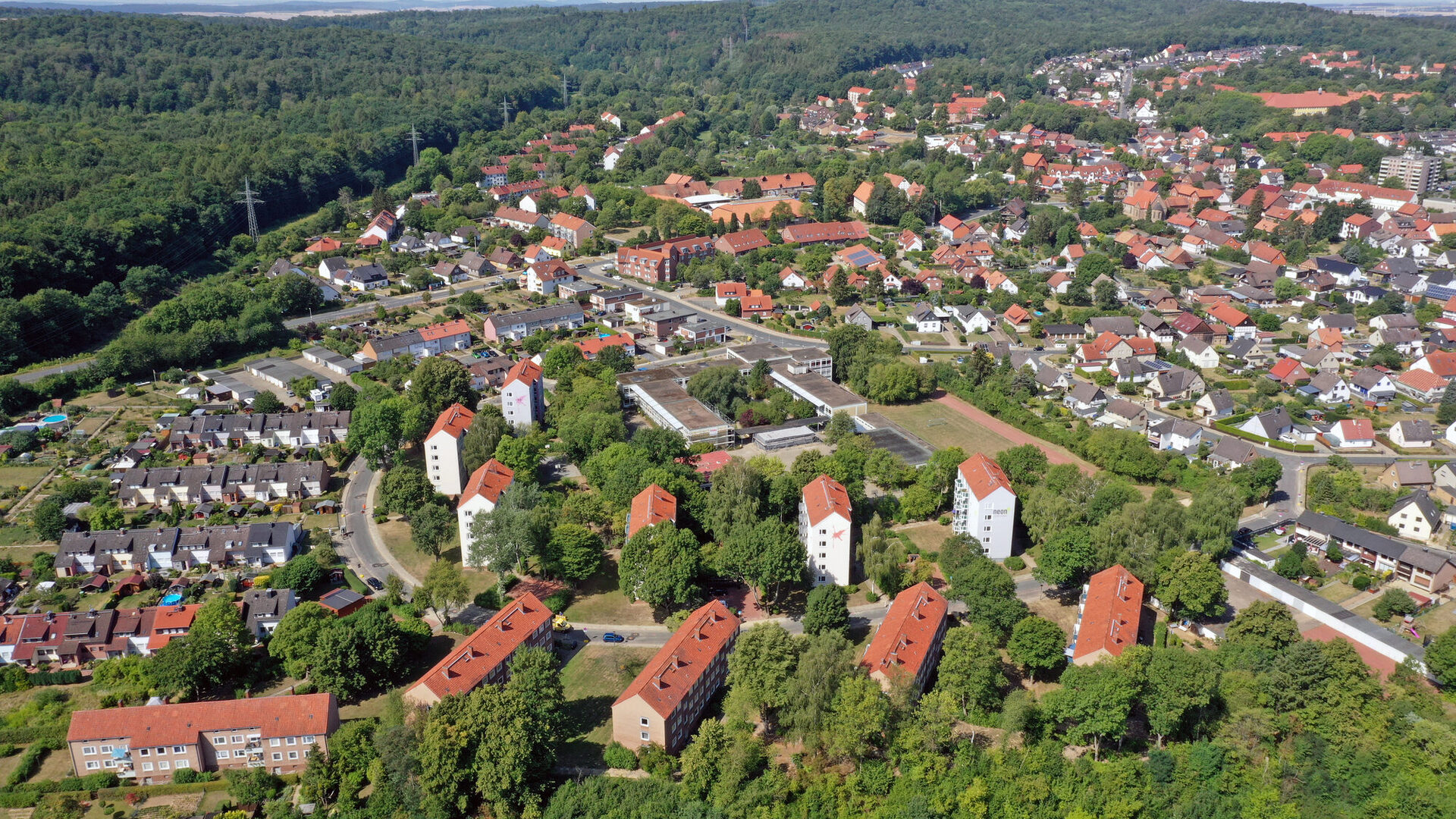
The founding of the Reichswerke Hermann Göring on July 15, 1937 brought drastic changes to Gebhardshagen. Just a few kilometers northwest of Gebhardshagen, ore mining was massively expanded with the Haverlahwiese, Altenhagen, Gustedt and Bartelszeche shafts. Workers were initially recruited for the construction and operation of the industrial plants and later increasingly conscripted. Several barrack camps were also set up in Gebhardshagen to house them and the construction of new housing estates began.
The post-war period was initially characterized by shortages and housing shortages in Gebhardshagen. From the mid-1950s, the situation gradually eased, new residential areas were built and another church and a new school were built. The decline in the number of people employed in ore mining from the end of the 1960s marked another turning point. On June 30, 1982, the last mine car left the Haverlahwiese mine - ore mining was history.
With just under 7,000 inhabitants, the fourth largest district of Salzgitter is centrally located in the middle of the 223.93 square kilometer city area.
The castle is still one of the district's special features today and is used for cultural events, among other things. The wedding room in the manor house and the adjacent knight's castle playground are particularly popular.
The Förderverein Wasserburg Gebhardshagen e.V. and its members are committed to preserving the historical monument.
There are also various groups and clubs such as SV Glück Auf 1901 Gebhardshagen, the Gebhardshagen tennis club, the local DLRG group and the volunteer fire department.


