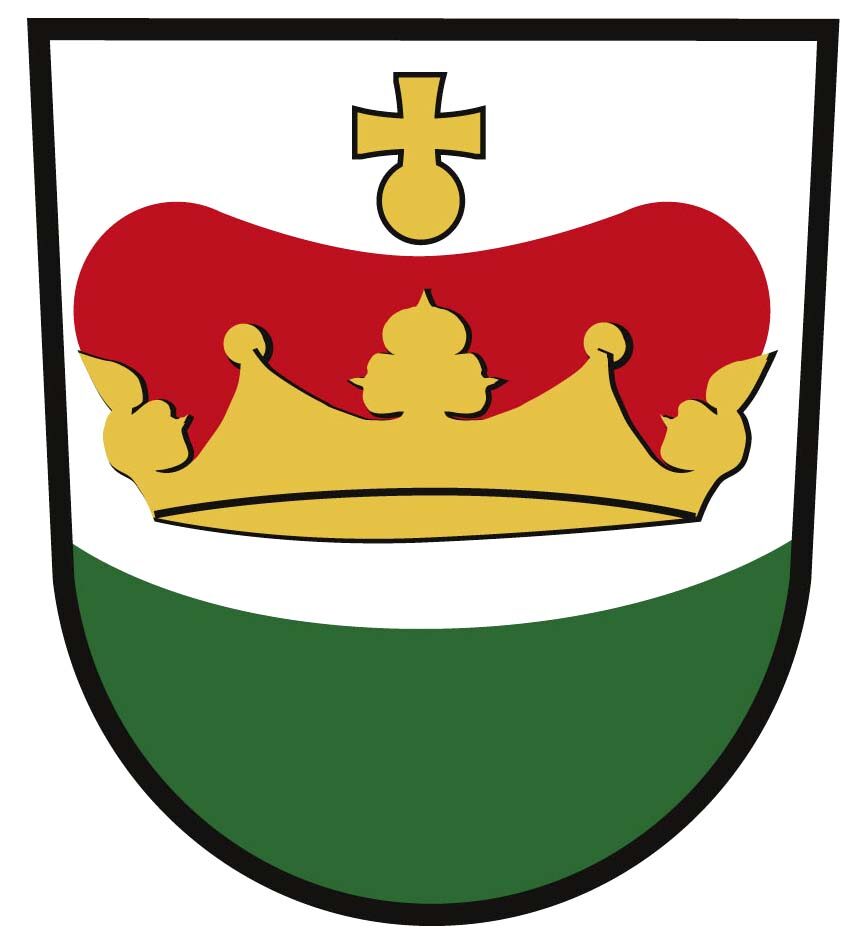
According to the 1678 poll tax register, Salder was one of the larger villages in the region, with three arable farms, seven half-horse farms, and 53 smallholdings. After the sale of the Salder estate and the transfer of all feudal rights to Hereditary Prince August Wilhelm (1662–1731), Salder continued to gain in importance. When August Wilhelm ascended to the throne in 1714, Salder Castle became the seat of the princely court and, by the end of the 18th century, also the seat of the Salder district administration.
In addition, between 1713 and 1717, August Wilhelm had a new church built in Salder according to the plans of architect Johann Kaspar von Völcker, which was intended to serve as both a parish church and a castle chapel.
Until Salder was connected to the Braunschweig State Railway network in 1886, the town was primarily agricultural. That same year, the Portland cement plants were built; their factory facilities, along with the buildings for workers and management, continue to shape the residential area around Mindener Straße to this day. Other new buildings, such as the district court (1867), the school (1871), the post office (1890), and the dairy (1892), date from the second half of the 19th century.
In the municipal council elections of April 1933, only members of the NSDAP were elected to the Salder municipal council. This was followed by the forced alignment of political parties and associations and the expulsion of the Jewish Gutheim and Kleeblatt families, who were forced to sell their property in Salder in 1935. Since November 2021, Stolpersteine on Gänsebleek have commemorated the families’ fate.
Since August 26, 2026, four Stolpersteins in front of the house at Gänsebleek 13 in Salder have commemorated Julius, Else, Doris, and Ellen Gutheim.
The construction of the Reichswerke Hermann Göring had a major impact on the landscape around Salder: The residential areas of the new town were built in the immediate vicinity in the Lebenstedt district. Brick shell buildings and wooden barracks were erected, road construction began and new railroad tracks were laid in the fields. On April 1, 1942, Salder became part of the newly founded town of Watenstedt-Salzgitter.
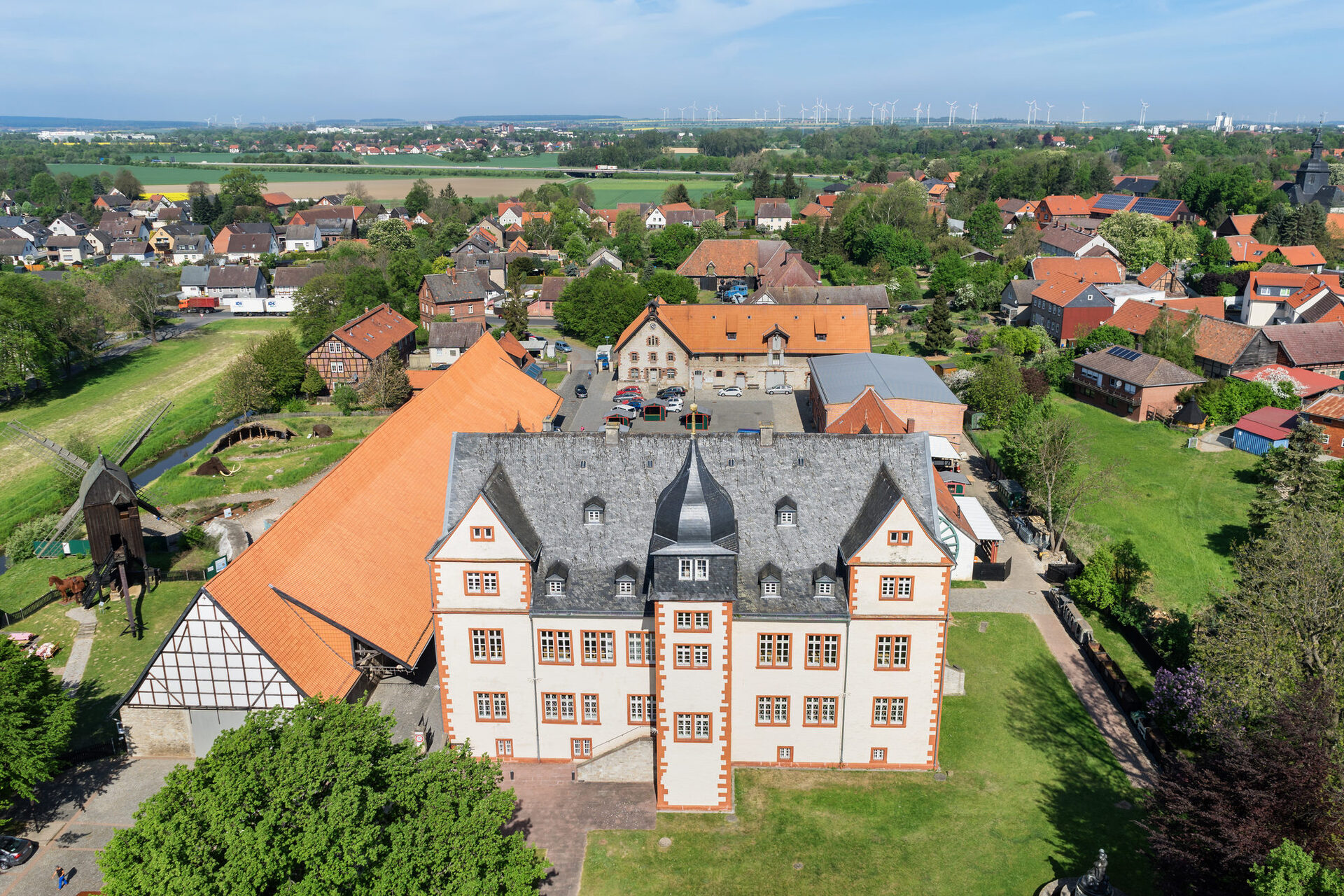
Today, Salder is one of Salzgitter's cultural centers, with the municipal museum housed in the castle since 1962. Since 2007 it has been the information center of the "UNESCO - Geopark Harz. Braunschweiger Land. Ostfalen".
The large number of associations based in the district ranges from the VfL Salder sports club, founded in 1892, to the Lerchenfeld allotment garden association, riding club, traditional costume association and volunteer fire department.