Alongside Wolfsburg, Salzgitter is one of the most important cities founded in Germany in the 20th century. The city's history is characterized by the raw material deposits in its area - salt and ore.
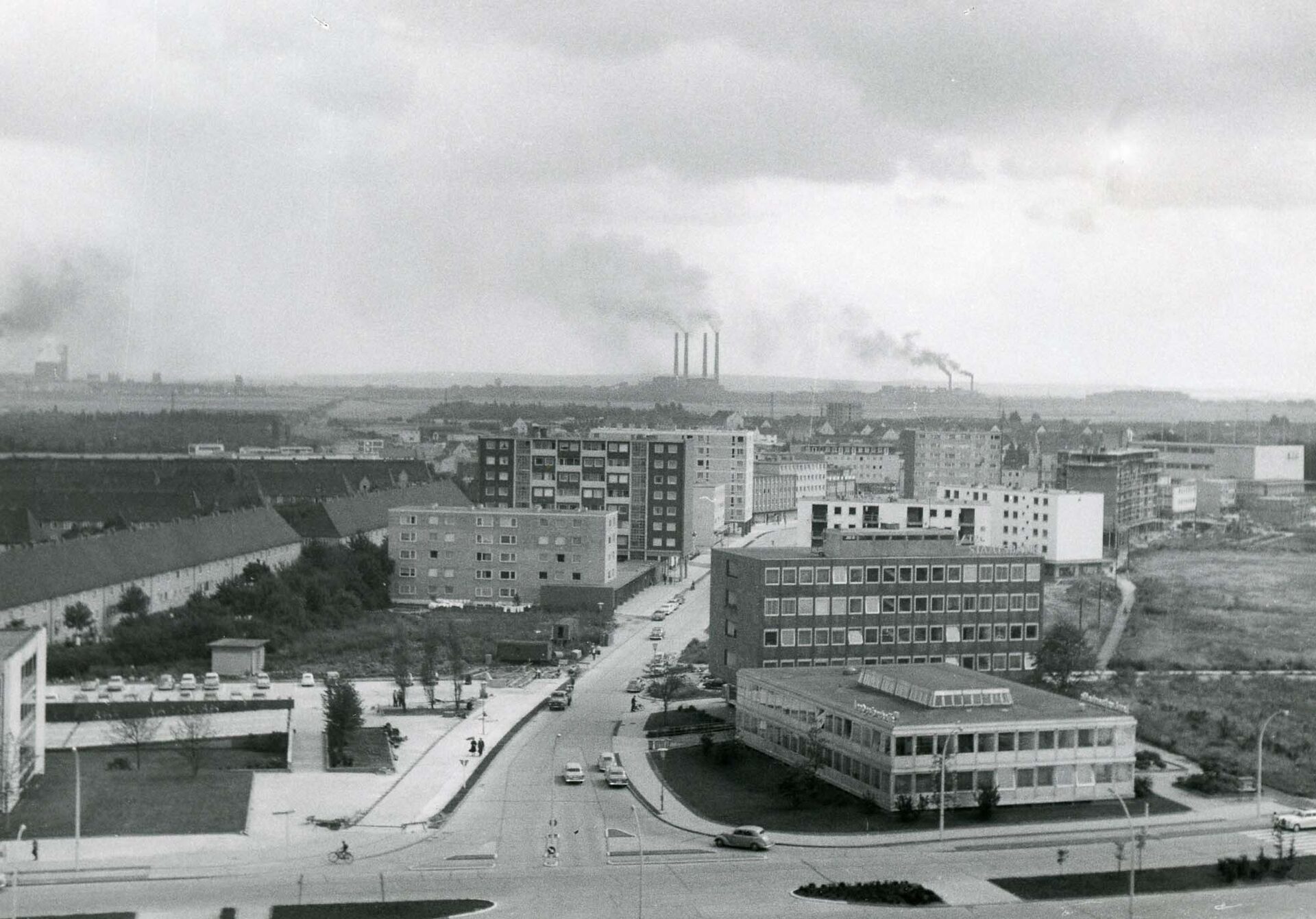
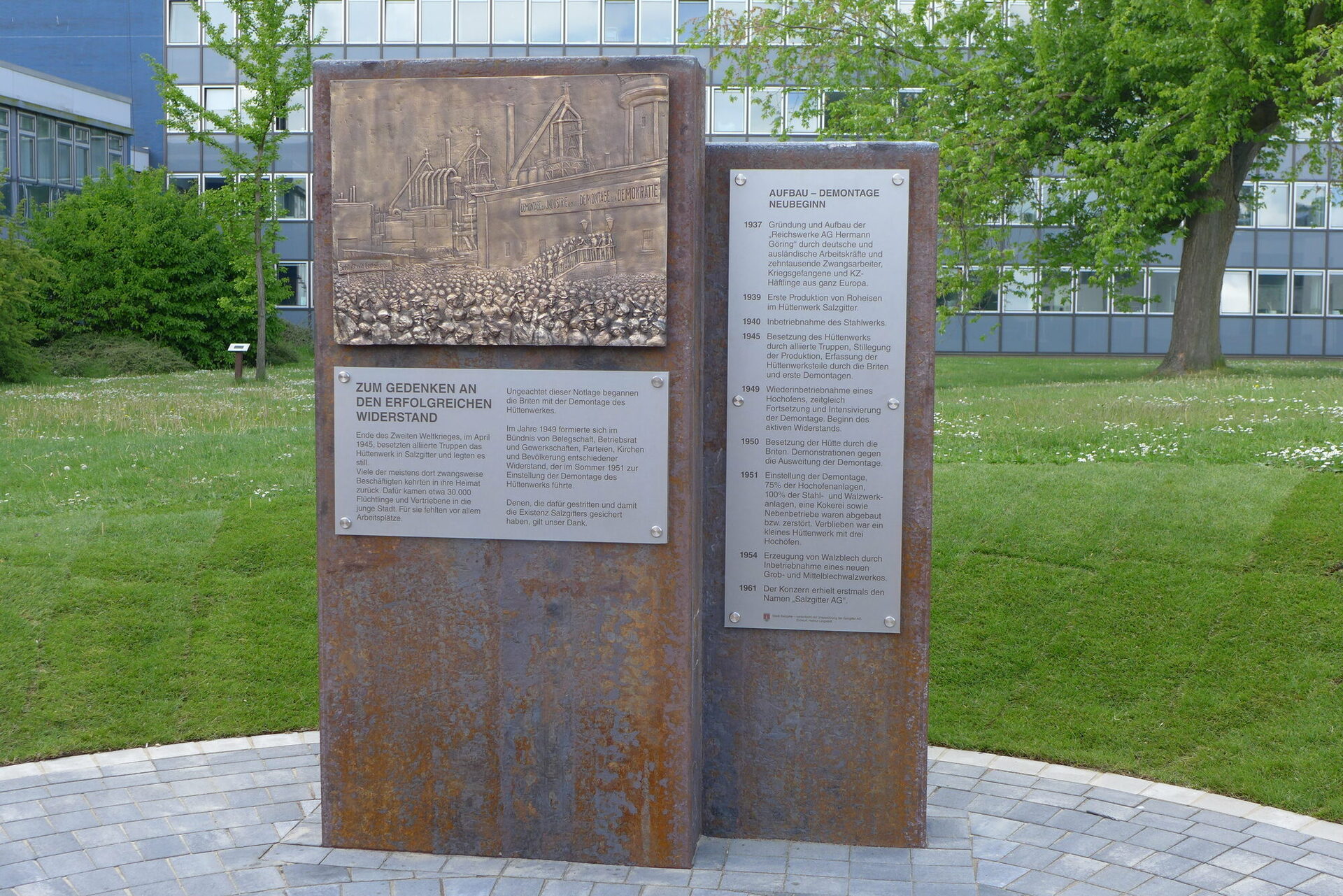
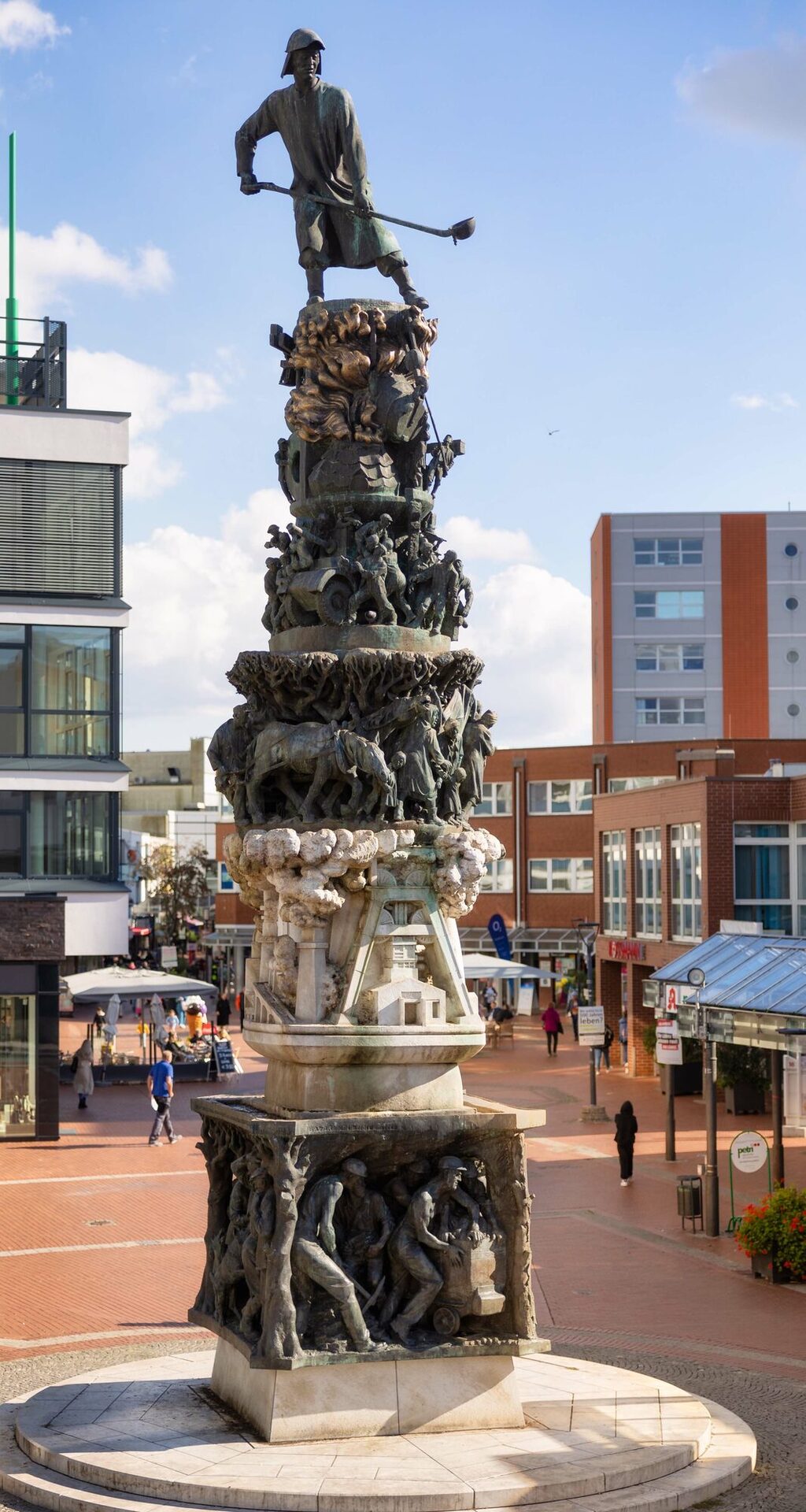
It owes its name to the salt deposits in Salzgitter-Bad. The iron ore deposits were of decisive importance for the founding of the city of Salzgitter on 01.04.1942. In 1937, the Reichswerke "Hermann Göring" was founded with the aim of extracting ore, building a steelworks near Watenstedt and producing steel.
Construction of the steelworks complex at Watenstedt began in the same year. The demand for labor was enormous. Workers - initially recruited, later deported and forced to work - were brought to the construction area from all over the Reich.
Thousands of people died under the inhumane living and working conditions - the Jammertal and Westerholz cemeteries bear witness to this and are haunting places of remembrance in Salzgitter.
Salzgitter presents itself today as a city of contrasts:
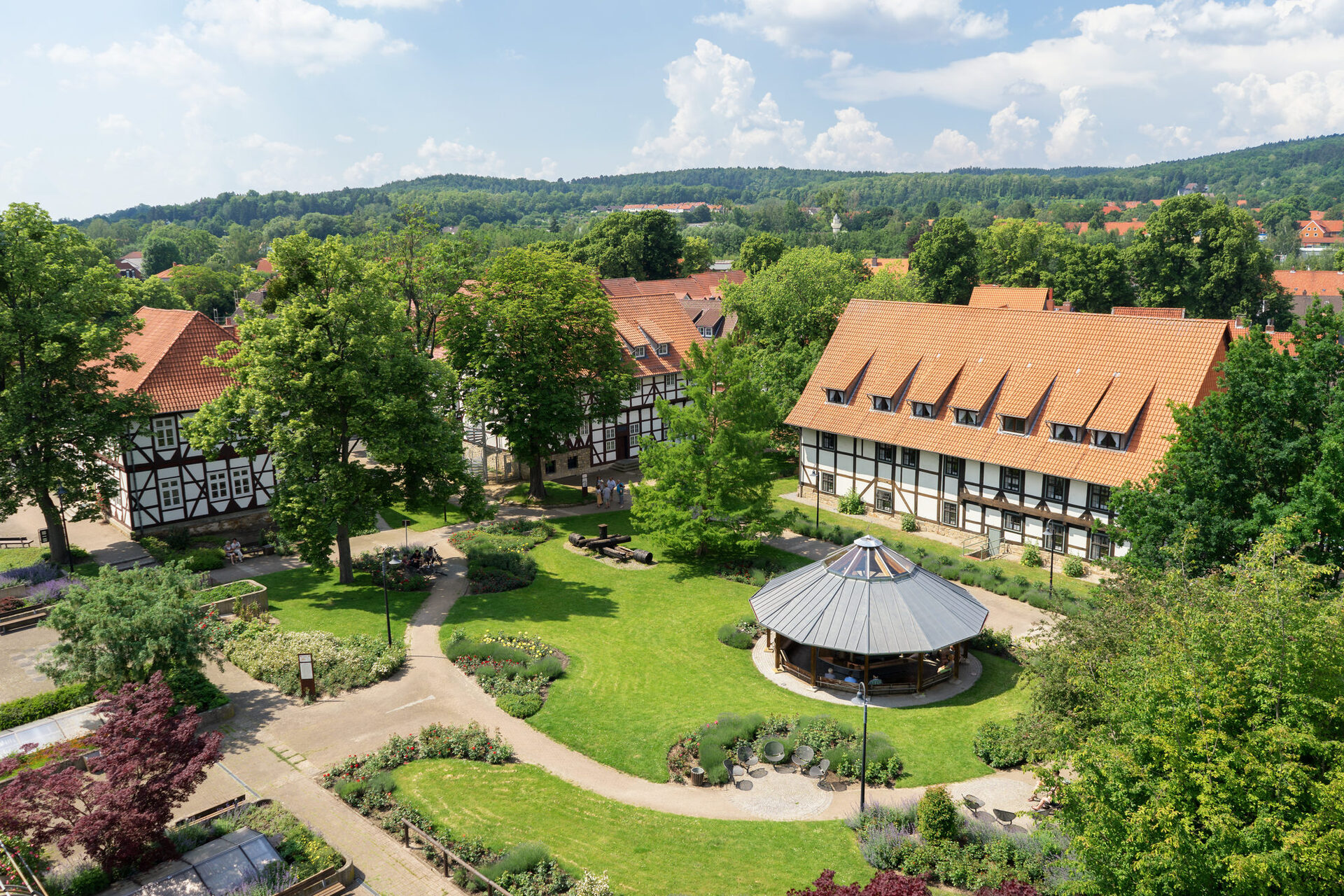
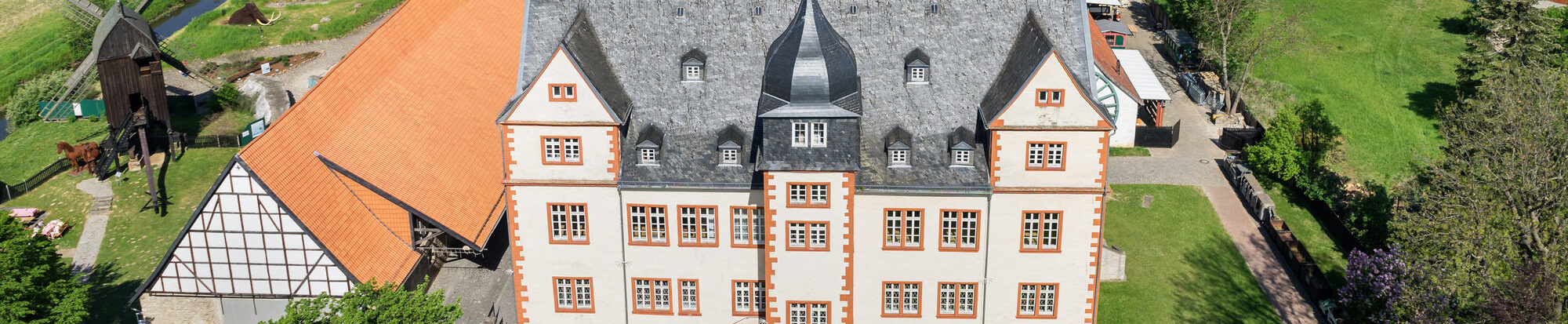
Centuries-old villages with impressive half-timbered buildings, churches, monasteries and castles in the midst of new settlements and industrial plants. The city is many things at the same time: a brine spa, idyllic countryside, a village, a university location, home to both long-time residents and newcomers, a large city with a wide range of offers and - with the Big Five (Salzgitter-AG, Alstom, MAN, Volkswagen, Bosch) - the third largest industrial location in Lower Saxony.