

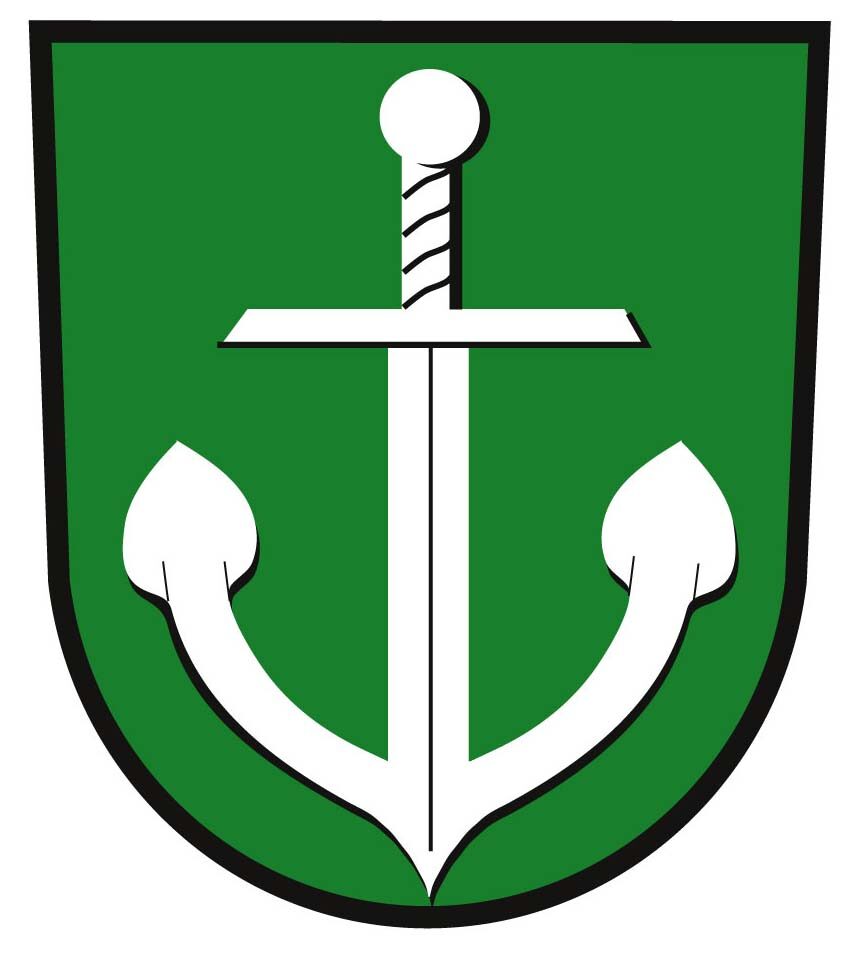
The place name Bettingen first appears in a list of the monastery's possessions compiled by the Fulda monk Eberhard in the second half of the 12th century(Codex Eberhardi). Research suggests that the document, the original of which has not survived, was written between 780 and 802.
In the Middle Ages and early modern times, Beddingen played an important role as the seat of justice in the Wolfenbüttel district, which was responsible for almost 20 surrounding villages. At the court sessions held in Beddingen several times a year, offenses against the land obligation, violations of the fire regulations, thefts, but also civil law matters such as marriage and purchase contracts were heard.
The records in the inheritance registers of the 16th century give an initial idea of how Beddingen was structured at the time. With four arable farms, three half-span farms and 52 dung yards, Beddingen was one of the larger villages in the Residenzamt Wolfenbüttel.
As supra-regional connecting roads and railroad lines ran several kilometers away from Beddingen at the end of the 19th century, the village initially remained agricultural even after the age of industrialization.
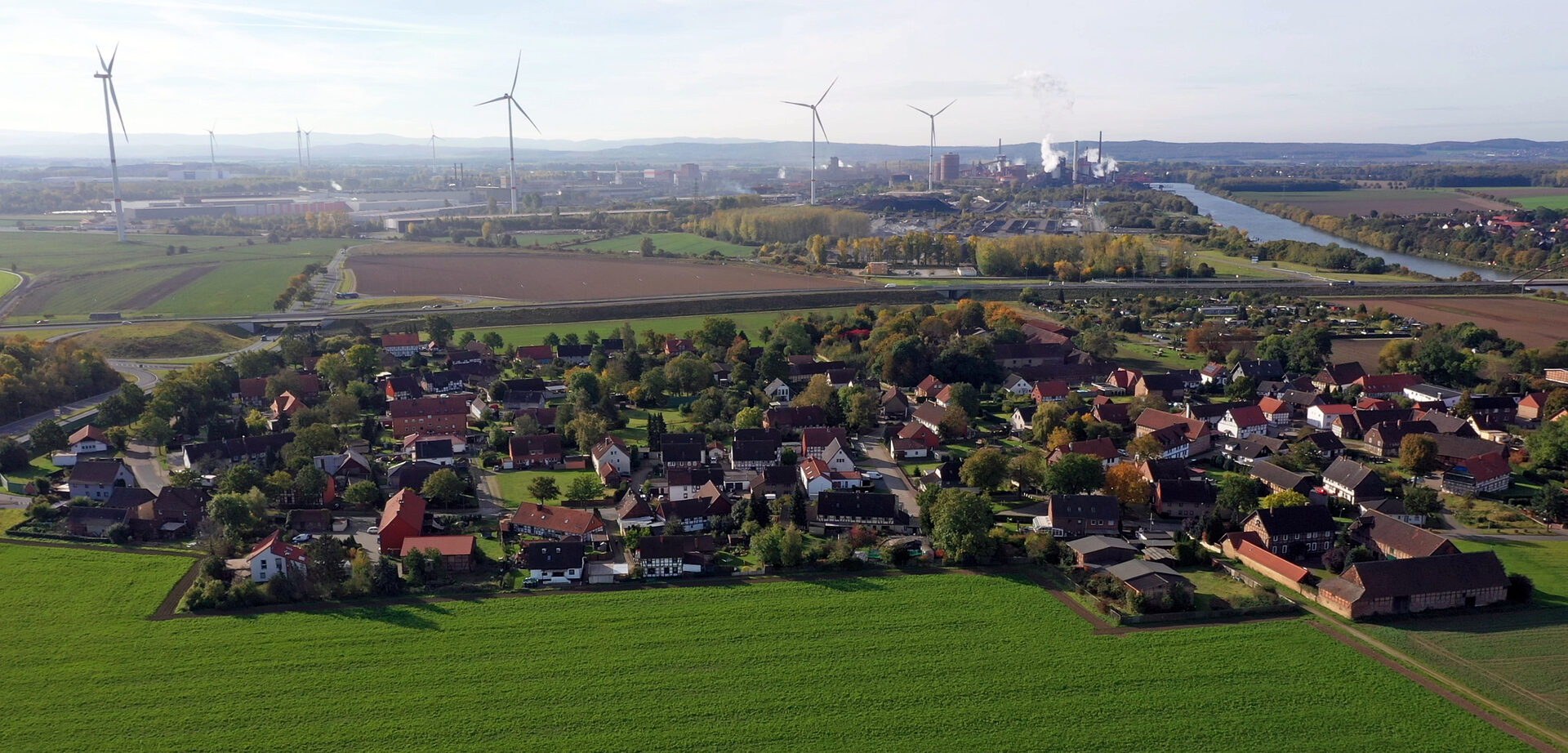
The structure of the village changed profoundly after the founding of the Reichswerke Hermann Göring in 1937 with the construction of the approximately 15-kilometer-long branch canal and the port. Farmers were relocated and the once direct connection to the neighboring communities of Üfingen, Sauingen and Bleckenstedt was severed by the canal.
Nevertheless, the number of inhabitants rose steadily from 1938 and peaked at 1,340 in 1951 due to the admission of refugees and displaced persons. While there was only a ferry service across the canal in the 1950s, the construction of the pedestrian bridge in 1964 improved Beddingen's infrastructure. In 1972, a bridge for car traffic was finally built over the canal with the construction of Industriestraße Nord.
Today, the Beddingen district is known beyond the region as the location of one of the largest inland ports in Lower Saxony. Over 1.5 million tons of goods are handled here every year, and the location is characterized by modern port handling facilities. The canal village, which belongs to the north-eastern part of the town, is home to larger and smaller businesses and two farmers.
Um die Inhalte aus sozialen Medien zu sehen müssen Sie diese zunächst in den Datenschutz-Einstellungen freigeben.