
According to the inheritance register of the Lichtenberg district, to which Engelnstedt belonged, there were six farmers, five half-horses and eleven cottagers living in the village in 1579. During the Thirty Years' War (1618-1648), the region was a theater of war. Besiegers and defenders supplied themselves from the land, sometimes without any scruples. Engelnstedt was not spared either. In November 1625, Tilly's troops were stationed there. They broke into the church to steal the supplies that the people of Engelnstedt believed to be safe there. The barely protected population in the countryside in particular suffered great hardship during the war years.
Fires were a great danger in the town and countryside for centuries. In 1746, a catastrophic fire broke out in Engelnstedt. Due to carelessness, one of the thatched roofs caught fire. Due to the strong winds, several houses and stables were ablaze in no time, and the fire threatened to spread to the church at times. A total of nine farms went up in flames.
In the middle of the 18th century, experiments were carried out in some parts of Europe with the plantation of mulberry trees for silkworm breeding. In 1753, the farmer Zacharias Friedrich Kuntze applied for one acre of surplus land to establish such a plantation. However, the attempt to breed silkworms in a temperate climate was not a lasting success in Engelstedt either.
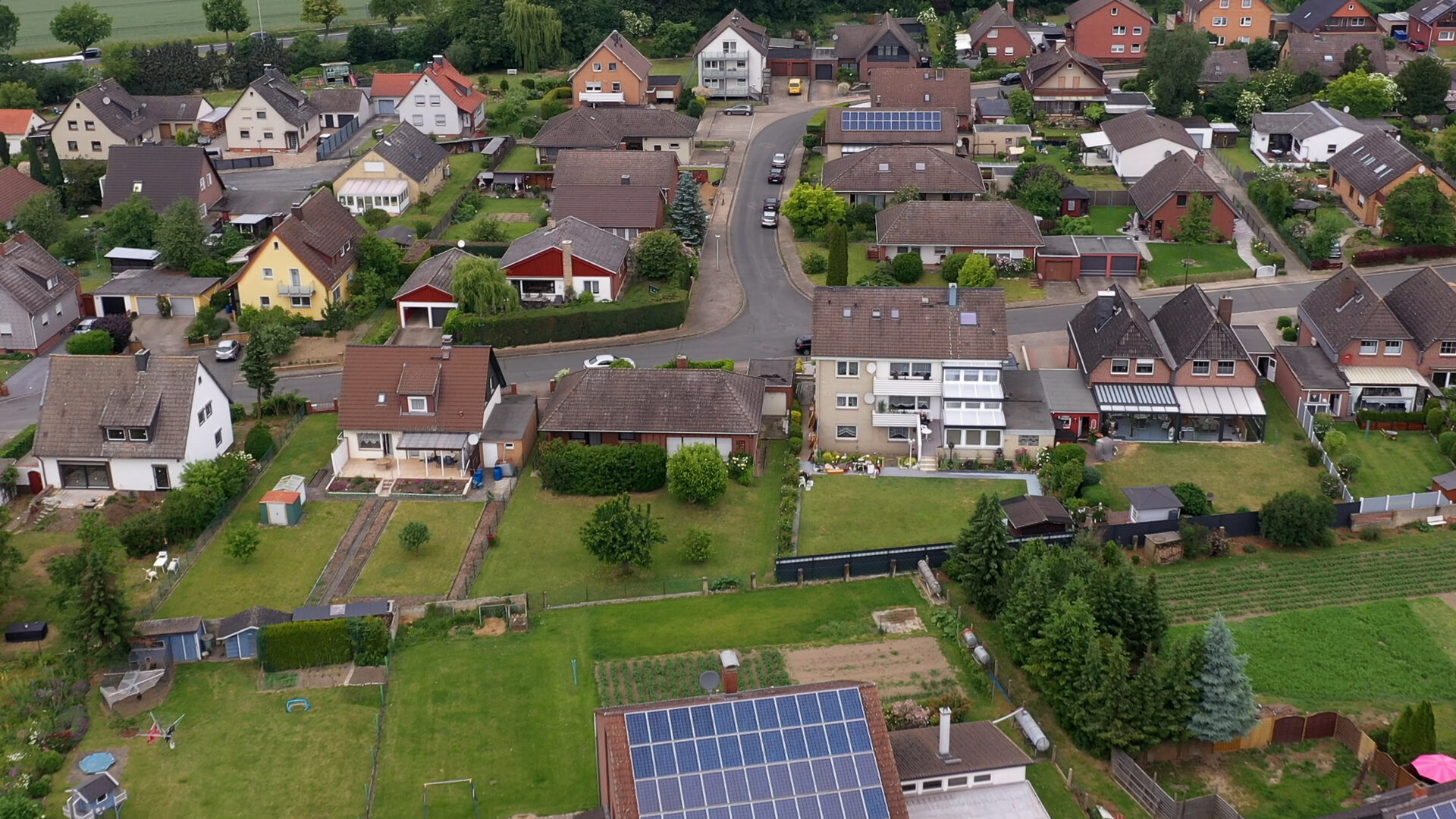
With the start of construction on the Reichswerke Hermann Göring, which were intended to contribute to the economic independence of the Nazi regime, the character of some of the surrounding rural communities changed virtually overnight. Although Engelnstedt was located only a few kilometers from the factory grounds, it was not affected by resettlements and lost only small areas of farmland for the construction of the road, which was designated as a city street in the postwar period.
Since September 2023, Stolpersteins on the street “Auf der Graube” have commemorated the fate of the Traube family, who were persecuted and dispossessed because of their Jewish ancestry.
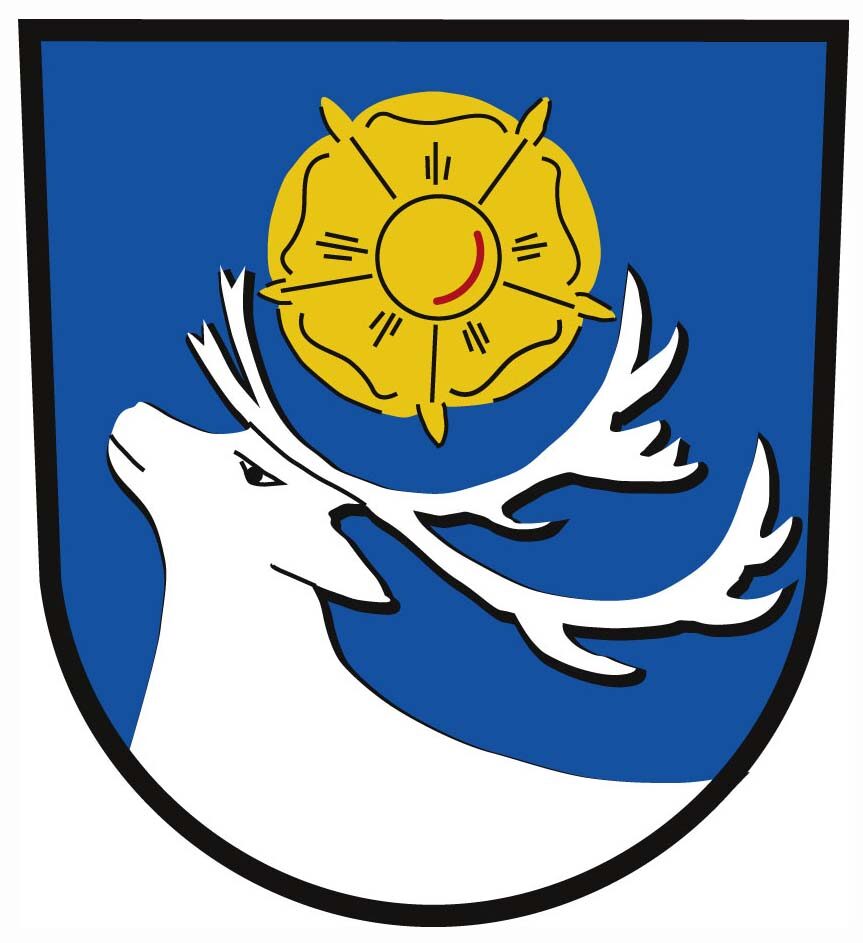
The coat of arms, designed in 2005 by the Braunschweig heraldist Arnold Rabbow for the Engelnstedt district—which belongs to the village of Nord—is particularly striking: a reindeer emerges from the base of the shield, with a golden rose resting atop its antlers. By choosing the reindeer for their town coat of arms, the residents of Engelnstedt pay tribute, on the one hand, to the Paleolithic settlers of Salzgitter, for whom the reindeer was an important source of food, and, on the other hand, to the Engelnstedt artist and researcher Gustav Hagemann (1891–1982), who conducted extensive research on the culture of the Sami people. A total of three plaques bearing the town coat of arms have adorned the entrances to Engelnstedt since 2010.