In September 1521, Ringelheim, which belonged to the Hildesheim diocese, was taken by Brunswick troops and in 1523, in the Quedlinburg Recess, it was awarded to the Principality of Brunswick-Wolfenbüttel under Duke Henry the Younger along with 26 other villages in the Liebenburg district.
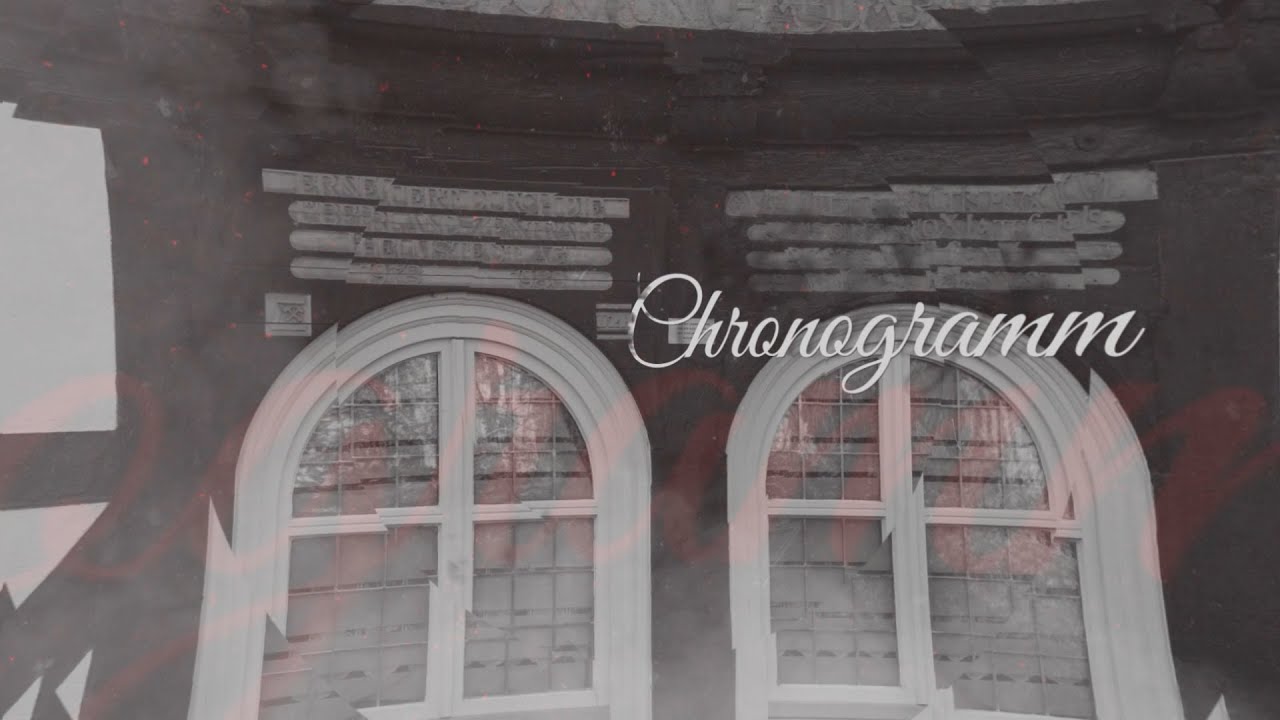
On September 10, 1596, disaster struck the monastery: after a lightning strike, no fewer than thirteen residential and farm buildings burned down. Reconstruction was initially slow due to financial constraints - the complex as we know it today was built around the turn of the 17th and 18th centuries.
In the 19th century, Ringelheim benefited from an early connection to the railroad: the railroad line from Börßum via Ringelheim to Seesen was opened as early as 1856. Numerous businesses settled in Ringelheim in the following decades. In 1868 a canning factory was put into operation, in 1871 farmers from Ringelheim and the surrounding area jointly founded the sugar factory as a public limited company, and in 1896 an electricity plant was connected to the grid, which supplied Ringelheim with electricity before the turn of the century.
The numerous associations founded in the first quarter of the 20th century, ranging from the shooting guild to the sports club and the mandolin association, bear witness to the rich social life in this prosperous town.

The founding of the Reichswerke Hermann Göring and the start of construction in November 1937 in Watenstedt, over 20 kilometers away, also had an impact on Ringelheim.
The Reichswerke acquired the castle and estate in Ringelheim from Baron von der Decken in order to house the administration for ore mining there. In January 1939, a shaft was sunk on the eastern edge of the village, which was named Johannes Shaft after the geologist Johannes Weigelt, who was so important for the development of Salzgitter ore. The development of the Ringelheimer Mulde deposits was discontinued after the start of the Second World War, the shaft was filled in and the surface facilities demolished.
Today, a good 2,000 people live in the village in the far south-west of the city and enjoy shopping, medical care and the activities offered by the dozen or so Ringelheim clubs.