

The information in the inheritance registers of the 16th century provides the first insight into the settlement structure of the village: Immendorf had five arable farms, one half-span farm and eleven dung farms; it was a rather small village characterized by agriculture. In 1678, there were 80 taxpayers living in Immendorf, some of whom practiced a trade in addition to small-scale farming. A tailor and a blacksmith were mentioned, and in the following decades linen weavers, shoemakers and wheelwrights were added.
The location of the village was favorable in terms of transport, as supra-regional connecting roads intersected here (the name Seesener Straße still refers to this today). This had a positive influence on Immendorf's development over the following centuries.
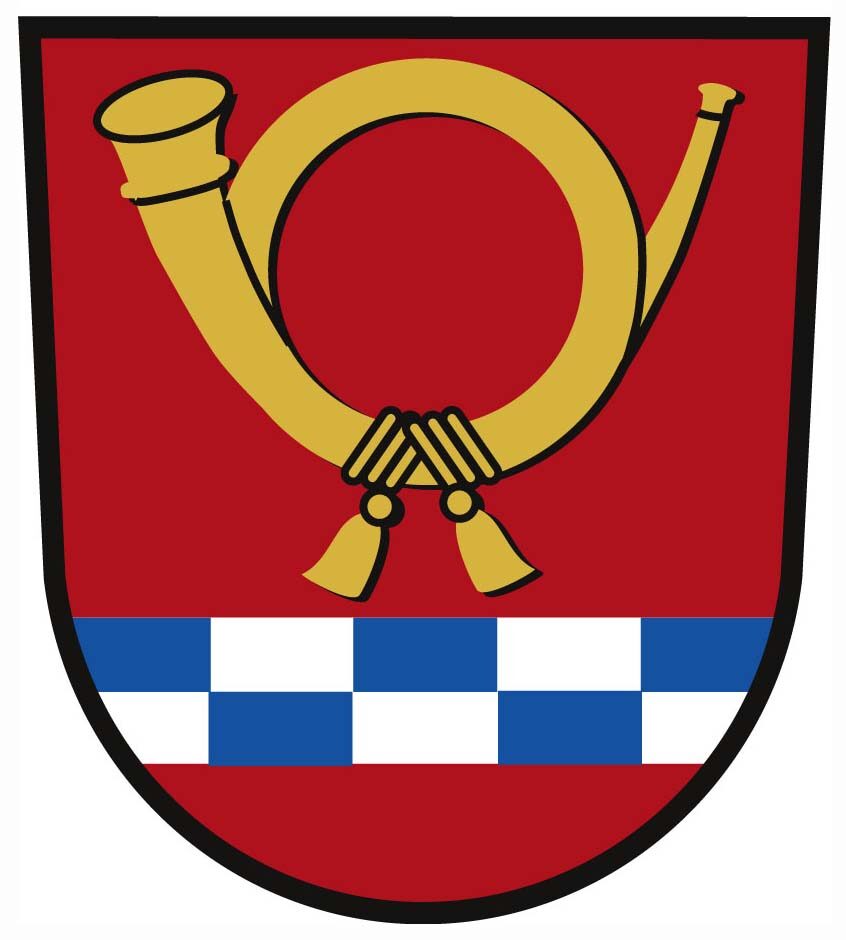
The establishment of the post office in 1791, whose impressive buildings are now listed buildings, made Immendorf important beyond the village boundaries. The construction of the sugar factory (1872), a dairy (1886) and, in particular, the connection to the Braunschweig State Railway (1887) accelerated Immendorf's economic upturn at the end of the 19th century.

The Reichswerke Hermann Göring, whose steel production was to contribute to the economic independence of the National Socialist regime, was established just a few kilometers from Immendorf in 1937.
Immendorf was particularly affected by the far-reaching changes that came with this: Farmers were expropriated and relocated. The sugar factory and the dairy were closed. Barrack accommodation was built in the immediate vicinity to house the workers, who were initially recruited from all over the Reich and increasingly conscripted at the beginning of the Second World War.
On April 1, 1942, the village, which belonged to the district of Wolfenbüttel, became a district of the newly founded town of Watenstedt-Salzgitter. An air raid on November 2, 1944, in which apprentices from the smelter's training workshop in Immendorf lost their lives, is still anchored in the town's collective memory. The deceased were buried in the old cemetery in Lebenstedt, where today a memorial plaque commemorates the events.
The structural change in agriculture has meant that there is now only one farm in Immendorf. The village community hall, housed in the former school, is the cultural center of the district. The sports club and the volunteer fire department are part of the social life.